

The Company is committed to sustainable supply chain management by selecting responsible business partners and enhancing operational efficiency while upholding environmental, social, and governance (ESG) standards throughout the procurement and distribution processes. This approach aims to create shared and long-term value for the business, society, and the environment.
Key Stakeholders Affected

Stakeholder Impact

Business Impact
Performance Against Targets
Tier 1 Suppliers identified with high risks have undergone assessments in environmental, social, and governance (ESG) factors.
2025
2025
Note: The performance results are not yet 100% complete, as some suppliers were not classified as active suppliers during the annual audit plan period, and some suppliers were unavailable for audits within the specified timeframe.
Management Approach
Amid global economic volatility, rising raw material costs, and geopolitical uncertainties that affect supply chain stability, along with logistics constraints and domestic trade regulations, the Company places strong emphasis on systematic risk management related to sourcing and transportation costs, while responding to increasingly stringent ESG expectations. Proactive strategies include diversifying the supplier base, optimizing inventory management, and applying digital technologies for logistics forecasting and tracking. In parallel, the Company selects and develops suppliers to comply with labor, environmental, and ethical standards, thereby strengthening supply chain resilience, continuity, and long-term sustainability.
ESG Supply Chain Management System
The relevant committee or executive management is responsible for providing oversight, setting direction, approving key approaches, and monitoring the implementation of ESG across the supply chain. The Procurement/Supply Chain Management (SCM) function is primarily responsible for implementing the Supplier ESG Program, in collaboration with the Sustainability Development (SD) function and other relevant functions, such as Safety and Human Resources (HR), according to their respective areas of responsibility.
Supply Chain Management Strategy
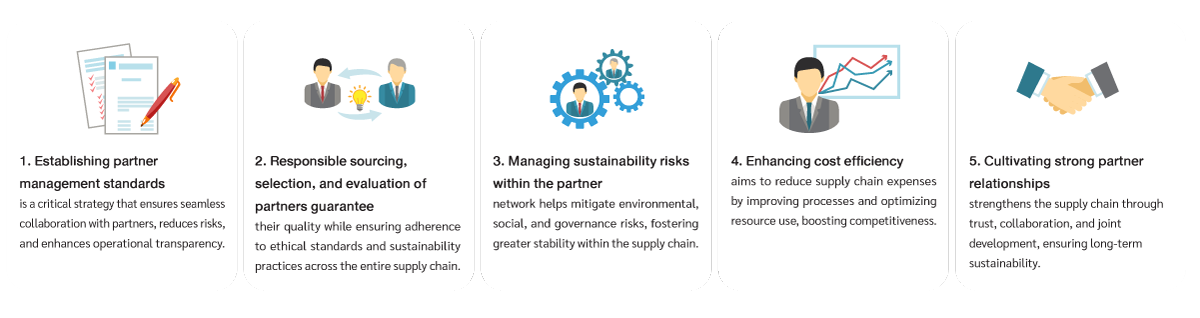
To ensure that the supply chain can effectively respond to changes and business challenges, the Company focuses on efficient, transparent management aligned with sustainable development principles. The Company implements key strategies to enhance supply chain flexibility, reduce risks, and leverage technology to support operations, enabling a rapid and efficient response to market demands, as follows:
Supplier Sourcing and Selection Policy
The Company is committed to conducting procurement in a transparent, fair, and non-discriminatory manner, with appropriate disclosure of relevant information to ensure auditability and build confidence among all stakeholders. The Company’s procurement policy emphasizes careful supplier selection based on production capability, quality of goods and services, price competitiveness, and compliance with environmental, social, and governance (ESG) standards.
The Company supports suppliers that operate responsibly, uphold ethics and integrity, and respect human rights throughout the supply chain. This approach ensures the procurement of high-quality goods and services, maximizes value for the Company, reduces procurement-related risks, and jointly strengthens a resilient and sustainable supply chain.
Supplier Sourcing and Selection PolicyEnvironmentally Friendly Procurement (Green Procurement)
The Company has established environmentally friendly procurement (Green Procurement) guidelines to promote the selection and use of products and services that minimize environmental impacts throughout their life cycle, from production and resource utilization to transportation, usage, and end-of-life management. The initiative also aims to encourage employees to participate in environmental conservation and energy-saving practices through the selection of environmentally friendly products and services. In selecting products and services, priority is given to those certified with recognized environmental labels and standards, such as the Green Label, Energy Efficiency Label No. 5, High Efficiency Label, and Carbon Footprint Label, to ensure that procured products and services have minimal environmental impact. In cases where products do not possess environmental certifications, the Company considers other environmental criteria by comparing them with existing products or services currently in use. The criteria include:
- Use of environmentally friendly materials, such as non-toxic, recyclable, renewable, or low-energy materials
- Reduction in material usage through lightweight design and minimal packaging
- Efficient production technologies that utilize clean energy and reduce waste generation
- Efficient transportation and distribution systems, including reusable or recyclable packaging and energy-saving logistics routes
- Reduction of environmental impacts during usage, such as low energy consumption and low emissions
- Effective end-of-life management, including reuse, recycling, or proper disposal to minimize environmental impacts
In addition, for environmentally friendly outsourcing and service procurement, the Company considers external contractors and service providers with strong environmental management practices and operational safety standards. The selection criteria include:
- Certification of environmental management standards at national or international levels
- Availability of pollution prevention measures, such as air and noise pollution control
- Adequate occupational health and safety measures during operations or construction activities
- Use of environmentally friendly products and materials
- Employee training on resource efficiency, energy conservation, and environmental management practices

Buyer Training
The Company conducted an online Buyer Training session on the topic of “Anti-Corruption and Business Ethics” for employees across all groups, including procurement officers, with a total of 107 participants.
The training content covered key topics, including business ethics, prevention of conflicts of interest, prevention of insider information misuse, procurement and purchasing practices, and compliance with anti-corruption measures.
This training was designed to strengthen a transparent organizational culture, good corporate governance, and alignment with international standards. It also provided employees with the opportunity to exchange views, raise questions, and gain a clear understanding of their roles and responsibilities, enabling them to effectively and sustainably apply the principles of business ethics and relevant practices in their daily work.
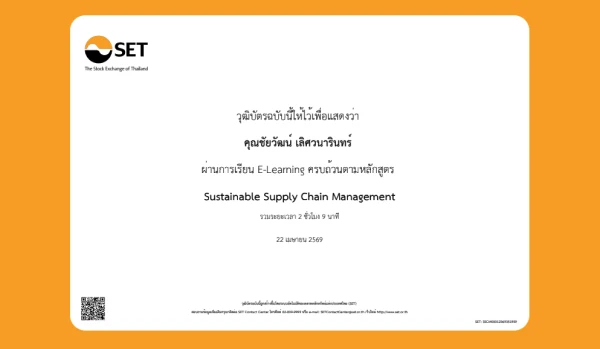
Training on Sustainable Supply Chain Management
100% of procurement employees completed the “Supply Chain Management: Sustainable Supply Chain Management” training course, which covered sustainable supply chain management, key supplier identification, supply chain risk identification and assessment, management, performance measurement and monitoring, and sustainability disclosure.
Supplier Code of Conduct
The Company has established a Supplier Code of Conduct to define clear guidelines for suppliers to conduct business in compliance with applicable laws, ethical principles, and internationally recognized standards. The Code emphasizes responsible business practices, respect for human rights, fair labor treatment, and consideration of social and environmental impacts throughout business operations.
In addition, the Company places strong importance on maintaining standards for safety, occupational health, and appropriate working conditions, to promote responsible, transparent, and sustainable supply chain management in the long term.
Supplier Code of Conduct
In addition, the Company has established a Grievance and Whistleblowing Mechanism to provide channels for suppliers and stakeholders to report concerns related to fraud, corruption, unfair practices, or non-compliance with the Supplier Code of Conduct. The Company has implemented strict measures to protect whistleblowers and maintain confidentiality, ensuring that the procurement process is transparent and auditable at all stages. Reports can be submitted via email at whistleblower@pt.co.th

Supplier Screening, Segmentation and Critical Tier 1 Supplier Analysis
The Company has established a supply chain risk management process covering suppliers across both its Oil and Non-Oil business segments. Under this framework, suppliers are categorized into Tier 1 Suppliers, Critical Tier 1 Suppliers, and Critical Non-Oil Tier 1 Suppliers. The assessment criteria for identifying critical suppliers include:
- Purchase volume
- Significance of products and services to the Company’s business continuity and operations
- Degree of supplier dependency and availability of alternative products or suppliers
Supply Chain Risk Assessment
The Company has developed a structured supplier registry to support effective supplier risk management in line with sustainable procurement standards, with the objective of preventing potential impacts on business operations. Supplier risk assessment is conducted across two key dimensions:
- Suppliers whose risks may affect the Company’s operations, such as purchase value, criticality of goods and services, and reliance on non-substitutable products or services, which could impact operational continuity and business sustainability.
- Suppliers that may pose environmental, social, and governance risks, including potential impacts related to environmental performance, social responsibility, or non-compliance with good corporate governance practices, which could affect the Company’s reputation and long-term sustainability.
at each risk level
- Conduct on-site visits to supplier facilities (Site Visit)
- Conduct sustainability performance audits (ESG Audit)
- Develop corrective action and improvement plans (Corrective Action Plan and Improvement)
Types of Suppliers


77.73%


Criteria for Identifying Supplier Types
- Significant Suppliers in Tier-1: Suppliers with significant business relationships with the Company, referring to suppliers that pose a dependency risk to the Company, including suppliers with high purchase value (≥80%) and/or suppliers that can affect the Company’s competitive advantage and market success, and/or suppliers that cannot be substituted
- Significant Suppliers in Non-Tier-1: Suppliers of raw materials, products, and services to the Company’s Significant Suppliers in Tier-1, where such raw materials, products, and services delivered have a significant impact on the Company’s competitive advantage, market success, or survival, and are limited in number or cannot be substituted
Identification of Supplier Sustainability Risks
The Company places strong emphasis on managing sustainability across the entire supply chain by conducting sustainability risk assessments of its suppliers every three years. This assessment covers both the oil and non-oil business groups. The evaluation considers both the likelihood and the potential impact of risks, using a commodity-specific risk assessment approach, and is carried out by the responsible units. The assessment criteria cover seven key areas in accordance with ISO 26000, namely: corporate governance, human rights, labor practices, the environment, fair operating practices, consumer issues, and community development. This ensures that suppliers operate in alignment with the Company’s sustainability standards. The assessment focuses on key suppliers that represent a significant proportion of the Group’s total procurement value.
In addition, the Company is committed to continuously developing supplier capabilities through training programs, the provision of Supplier Guidelines, and ongoing performance monitoring and evaluation to encourage continuous improvement. When sustainability-related risks are identified, the Company works jointly with suppliers to establish Corrective Action Plans and systematically monitors progress within defined timeframes. The Company manages supplier risks in proportion to their severity by reducing reliance on high-risk suppliers and promoting collaboration with suppliers that conduct business responsibly and sustainably. This process strengthens supply chain resilience, supports balanced business growth, and creates sustainable value for all stakeholder groups across economic, social, and environmental dimensions.
Supplier Sustainability Risk Management Framework
Sustainability Criteria (ISO 26000)
Risk Assessment
- 3-Year Cycle
- Oil & Non-Oil Suppliers
- Commodity-Specific Risk Analysis
Risk Evaluation
- Likelihood & Impact
- Conducted by
- Responsible Team
Risk Management
- Risk Categorization: Low, Medium, High
- Mitigation Actions: Reduce High Risk Dependence
- Promote Sustainable Partners
Supplier Development
- Training & Guidelines
- Monitoring System
- Continuous Improvement
Environmental, Social, and Governance (ESG) Risk Management Outcomes
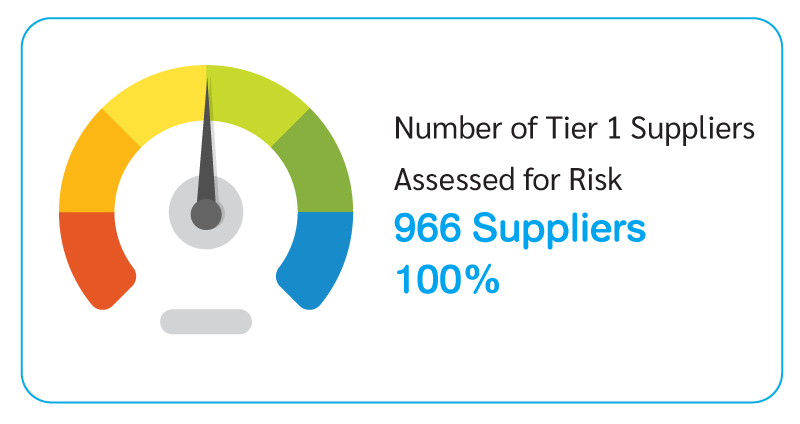
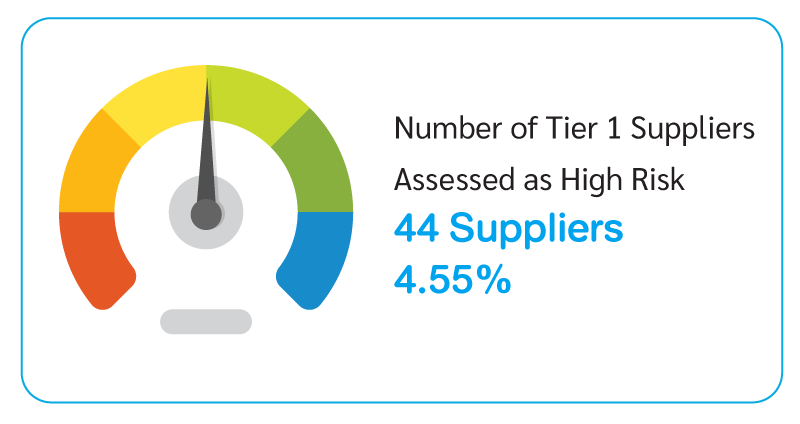
Assessment Results of High-Risk Business Partners in Environmental, Social, and Governance (ESG) Aspects

Implementation of Corrective Action Plans

Note: High risk refers to suppliers that may have potential negative impacts in environmental, social, and governance (ESG) aspects.
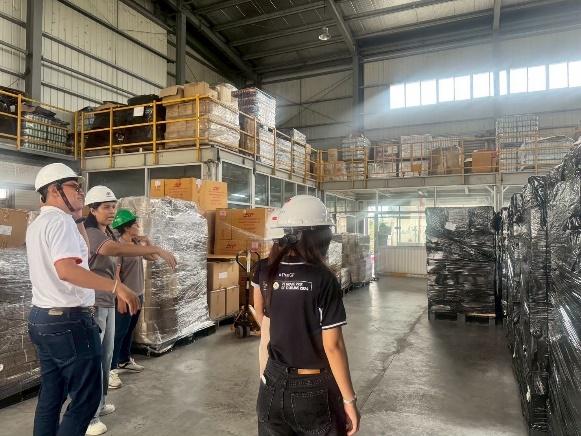
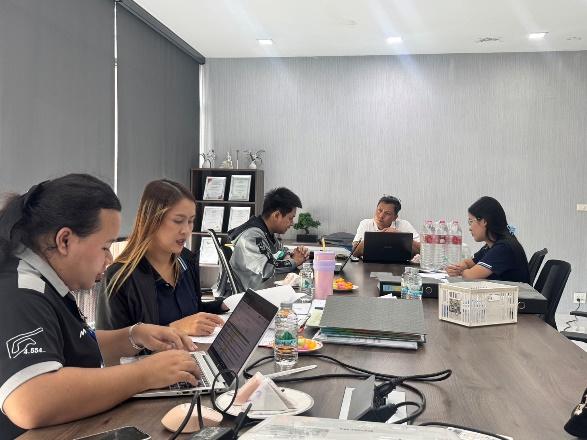
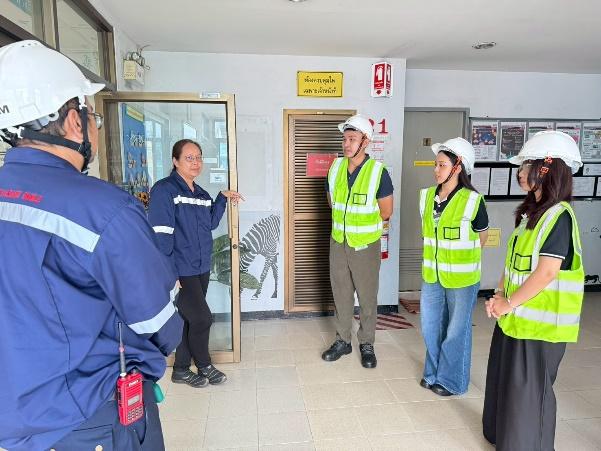
In 2025, the Company conducted sustainability assessments of high-risk suppliers, covering 59% of such suppliers. The key risk issues identified included environmental impacts, compliance with labor laws, and occupational health and safety. To strengthen sustainable supply chain management, the Company carried out ESG assessments through a combination of on-site physical inspection audits and online assessments, covering a total of 13 suppliers. This process was conducted in collaboration with the procurement function and relevant departments. The assessments were performed by the Company’s internal teams with expertise in sustainability-related matters.
In addition, the Company provided guidance and shared best practices with suppliers, and requested them to develop Corrective Action Plans (CAPs) to address issues identified during the assessments. Progress was monitored according to the nature and severity of the risks, supporting continuous improvement and alignment with sustainability standards, while encouraging suppliers to adopt a more systematic approach to ESG risk management.
Supplier Relationship Development
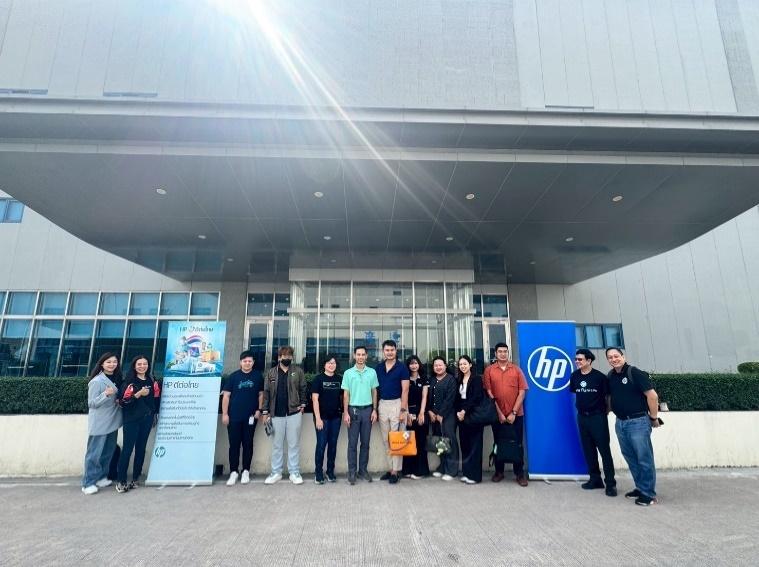
The Company places strong emphasis on fostering positive relationships and continuous engagement with both large and small business partners, while actively promoting suppliers’ awareness of and compliance with the Supplier Code of Conduct in a tangible manner. In 2025, the Company communicated and cascaded these principles through the ESG for Sustainability through the Supply Chain program at least once a year, together with joint discussions on operational approaches, briefings on procedural changes, and open forums for suppliers to share feedback and suggestions, to strengthen mutual understanding and enhance the effectiveness of collaboration throughout the supply chain.
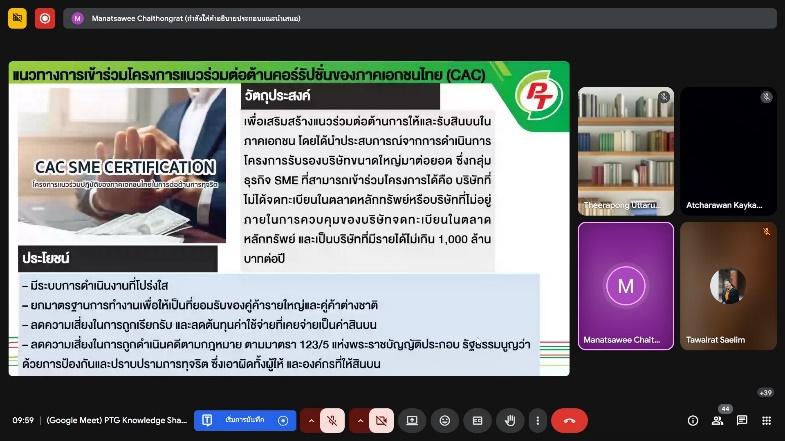
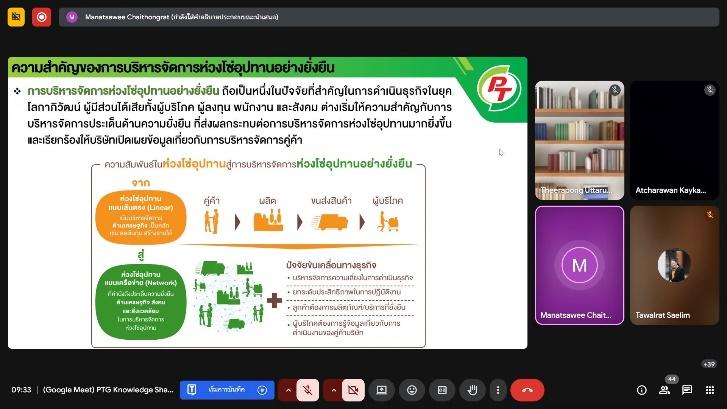
The Company has also established a Supplier Code of Conduct as a guideline for responsible business practices, promoting awareness of the importance of corporate governance and anti-corruption, and encouraging suppliers to participate in the Thai Private Sector Collective Action against Corruption (CAC) to enhance governance standards throughout the supply chain. In terms of safety, occupational health, and the environment, the Company continuously communicates its policies on quality, security, safety, occupational health, and environmental management, as well as related measures and activities, including guidelines on Contractor Safety Management, aimed at preventing risks, reducing accidents, and minimizing operational impacts on employees, communities, and the environment.
As a result of the project, a total of 17 suppliers participated and were able to apply the communicated practices in their actual operations. These efforts contributed to elevating suppliers’ operational standards in alignment with the Company’s sustainability policies and enhancing awareness of human rights, labor practices, safety, occupational health, and environmental issues throughout the supply chain. Moreover, the initiative helped strengthen supplier transparency, accountability, and business resilience, foster long-term strategic partnerships between the Company and its suppliers, and promote continuous improvement of sustainability standards across the supply chain.
By sharing experiences (Knowledge Sharing) and best practices across the Group, the Company organized a knowledge-sharing activity titled “PTG Knowledge Sharing: ESG for Sustainability through the Supply Chain” for the fifth consecutive year, in collaboration with suppliers from all business units, focusing on providing knowledge, training, and the dissemination of sustainability practices to suppliers and contractors through online platforms.
Trade Credit Policy and Term
The Company has a credit management policy. which has established criteria and credit procedures for each business unit that can compete and compare with competitors By considering the overall period of money received and paid to be consistent. and has no effect on financial liquidity The company has also taken into account the costs and financial risks that may arise from future exchange rates.
| Type of products/services | Payment Term (days) |
|---|---|
| General Products and Raw Materials | 30-45 |
| General Services | 45-60 |
| Insurance Products | 13.30 |
| Special Projects / Contracting Works | 60-90 |
| Key Suppliers with Special Agreements | Case by case |
| Financial Ratio (Days) | 2025 | 2024 | 2023 | 2022 | Average 3 years |
|---|---|---|---|---|---|
| Average debt collection | 1.51 | 1.27 | 1.21 | 1.07 | 1.30 |
| Average debt payment | 15.83 | 14.76 | 13.30 | 11.12 | 14.63 |