
PTG is committed to driving the organization toward Carbon Neutrality by 2030 through the transition to clean energy, low-carbon businesses, and collaboration with all sectors to address climate change sustainably.
Key Stakeholders Affected

Stakeholder Impact

Business Impact
Performance Results for 2025
Management Approach

The Company places strong emphasis on integrated climate change management across its entire value chain. It has established comprehensive strategies covering greenhouse gas (GHG) reduction, enhancement of carbon sinks, and systematic support for the energy transition. The Company aims to reduce direct and electricity-related emissions through energy efficiency improvements, investments in renewable energy, and the development of businesses that help mitigate climate impacts.
In addition, the Company expands its role in reducing indirect emissions by supporting electric vehicle infrastructure, waste management and waste-to-energy initiatives, and promoting environmentally responsible production and consumption alongside business growth. At the same time, the Company prioritizes increasing carbon sequestration through mangrove reforestation and restoration projects, as well as low-carbon agriculture initiatives, with ongoing monitoring of environmental outcomes.
These approaches reflect the Company’s concrete commitment to managing climate-related risks and opportunities, while driving progress toward its greenhouse gas reduction targets and long-term sustainable growth.
Implementation and Response Actions
Climate Change Governance Structure
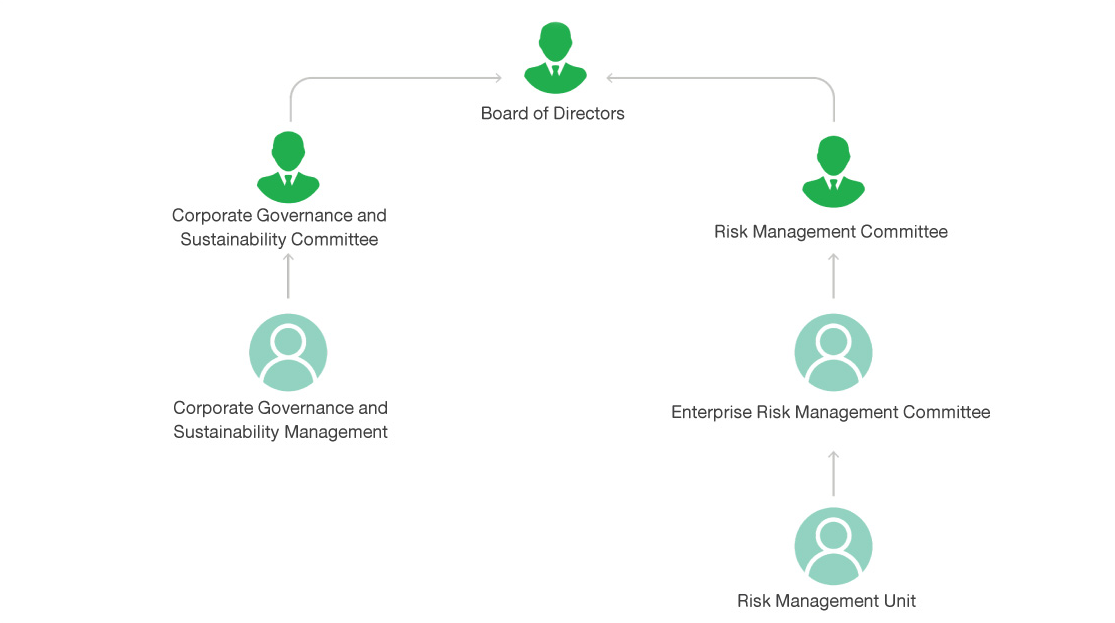
The Company has integrated the management of climate change–related risks and opportunities into its enterprise risk management (ERM) framework to support sustainable business operations and strengthen stakeholder confidence.
At the board level, the Board of Directors oversees climate-related risks and opportunities in terms of policy direction and strategic guidance through the Risk Management Committee, which comprises members of the Board and senior executives. The Committee is responsible for regularly considering, monitoring, and reviewing climate-related issues.
At the management level, the Enterprise Risk Management Working Team is responsible for assessing, analyzing, monitoring, and managing climate-related risks at the operational level. Meanwhile, the Corporate Governance and Sustainability Committee establishes sustainability policies, provides strategic direction, and ensures compliance with relevant laws and regulations. Progress and performance outcomes are reported to the Board of Directors on a regular basis.
Climate Change Management Strategy
The Company has established its operational framework under the 3 RE Strategy to support Carbon Neutrality by 2030.



Greenhouse Gas Management
The Company systematically manages greenhouse gas emissions to address climate-related risks and support the achievement of its long-term emission reduction targets. This includes data collection, monitoring, and assessment of emissions across relevant activities.
The Company has also established an Internal Carbon Pricing mechanism as a strategic tool to reflect the cost of carbon in investment projects and operational activities.
Internal Carbon Pricing
Climate Change Risk and Opportunity Assessment
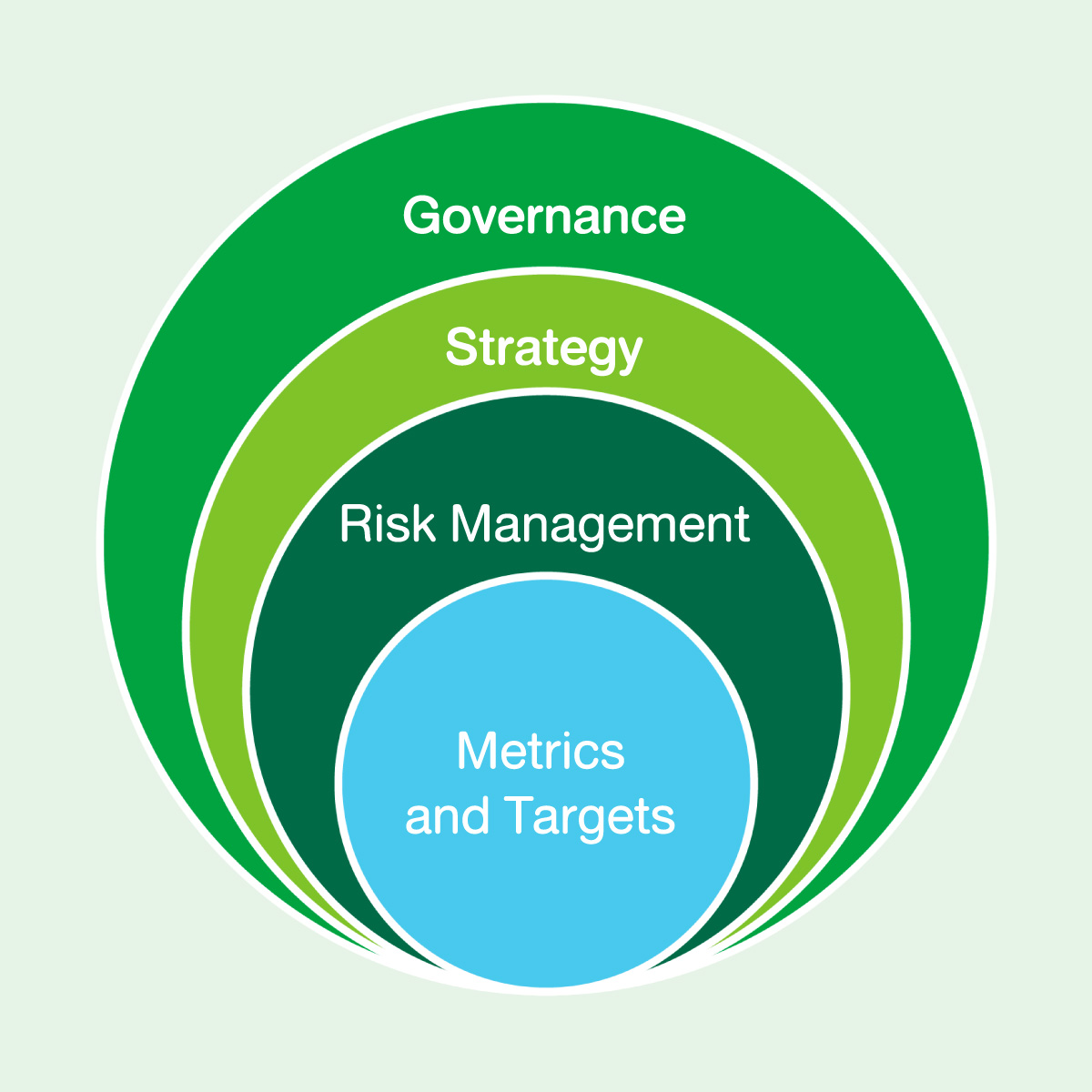
The Company assesses climate-related risks and opportunities in alignment with the Task Force on Climate-related Financial Disclosures (TCFD) framework. The assessment includes climate-related risk identification and scenario analysis using recognized climate models and transition pathways.
Climate-Related Risk Management ReportClimate Change Partnership and Membership
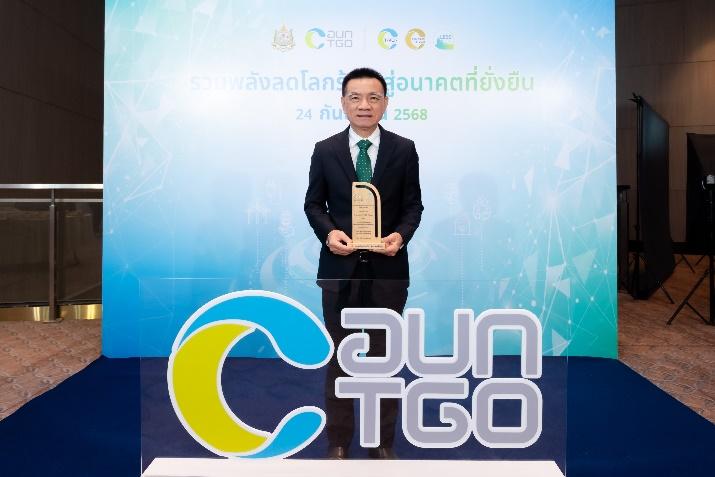
In July 2026, PTG Energy Public Company Limited officially joined the Thailand Carbon Neutral Network (TCNN), an initiative established by the Greenhouse Gas Management Organization (Public Organization) or TGO. The TCNN aims to foster climate action collaboration among public, private, and civil sectors to accelerate greenhouse gas (GHG) reductions and support Thailand's targets toward Carbon Neutrality and Net Zero GHG Emissions.
Becoming a member of TCNN underscores PTG’s clear commitment and strategic stance on climate change mitigation. The Company is dedicated to integrating climate resilience into its operations by establishing concrete internal emission reduction targets, enhancing energy efficiency, expanding renewable energy solutions, and participating in knowledge-sharing and carbon credit initiatives within the network to contribute effectively to national and global climate goals.
Driving the Organization Toward Greenhouse Gas Emission Reduction
The Company has systematically and concretely advanced its greenhouse gas (GHG) reduction efforts to achieve Carbon Neutrality by 2030. Carbon management has been integrated into the corporate strategy, with operational processes designed to incorporate low-carbon principles at every stage, alongside continuous improvements in energy efficiency across all infrastructure.
In addition, the Company is accelerating the adoption of renewable energy, investing in low-carbon technologies, and developing innovations that reduce emissions throughout the value chain. Collaboration with business partners, government agencies, and strategic alliances is actively promoted to drive the low-carbon economy at both organizational and industry levels. The Company also implements carbon offset initiatives in forest areas, communities, and natural ecosystems to enhance long-term carbon sequestration. Transparent monitoring, verification, and reporting systems aligned with international standards are being established. This commitment reflects the Company’s proactive role in minimizing environmental impacts while strengthening competitiveness and supporting sustainable growth within the evolving low-carbon economy.
Greenhouse Gas Emissions Inventory
In 2025, the Company collected and prepared its annual GHG emissions inventory, covering the operations of PTG Energy Public Company Limited and its subsidiaries, including PTG Logistics Company Limited and Petroleum Thai Corporation Company Limited. The calculation methodology references internationally recognized standards, including ISO 14064-1:2018, the Greenhouse Gas Protocol, American Petroleum Institute (API 2009), 2006 Guidelines of the Intergovernmental Panel on Climate Change (IPCC), Thailand Greenhouse Gas Management Organization (Public Organization) (TGO)
The reported GHG emissions data are currently undergoing verification by an independent third-party verifier accredited under ISO 14065:2020. Upon completion, the data will be registered and certified by the Thailand Greenhouse Gas Management Organization (Public Organization) (TGO). The Company also plans to expand certification coverage to include all business groups in the future to enhance data completeness and alignment with its full operational boundary. Detailed GHG emissions data for each category are presented as follows.
| 2021 | 2022 | 2023 | 2024 | 2025 | |
|---|---|---|---|---|---|
| Direct Greenhouse Gas Emissions (Scope 1) | 1,582 | 55,771 | 50,718 | 55,159 | 57,653 |
| Indirect Greenhouse Gas Emissions (Scope 2) | 1,064 | 31,806 | 38,307 | 37,833 | 33,737 |
| Other Indirect Greenhouse Gas Emissions (Scope 3) | 13,799,057 | 20,289,891 | 15,286,932 | 15,431,998 | 14,880,533 |
| Total (Scope 1+2) | 2,646 | 87,577 | 89,025 | 92,992 | 91,390 |
| Total (Scope 1+2+3) | 13,801,703 | 20,377,468 | 15,375,957 | 15,524,990 | 14,971,923 |
Notes:
1. Unit: tons of carbon dioxide equivalent (tCO₂e).
2. The data were compiled using the Operational Control approach as defined by the GHG Protocol.
3. Scope 2 greenhouse gas emissions data for 2018–2020 of PTG and the PTG Energy Group were recalculated based on the Emission Factor from EPPO 2021.
4. The 2020 GHG emissions data covered PTG’s operational sites, namely the head office and oil depots. In 2021, the calculation boundary was expanded to include transportation operations. In 2022, the boundary was further expanded to cover service stations. In 2023, the boundary was extended to include distribution centers.
5. During 2021–2023, the Company reported Scope 3 greenhouse gas emissions under a full reporting approach. However, starting in 2024, the Company revised its calculation methodology by selecting only significant categories to ensure that reporting more accurately and appropriately reflects environmental impacts. This approach aligns with the GHG Protocol framework to enhance the efficiency and accuracy of corporate GHG emissions management.
6. In 2024, greenhouse gas emissions increased due to higher fuel consumption in transportation operations, resulting in an increase in direct emissions (Scope 1). This trend corresponds with an increase in other indirect emissions (Scope 3), driven by higher fuel sales volumes.
7. Total Scope 1+2 and Scope 1+2+3 GHG emissions are calculated using the Location-based method, referencing TGO emission factors. As PTG does not currently hold RECs, Scope 2 Market-based emissions are equivalent to Location-based.
Greenhouse Gas Reduction Projects Aligned with the Strategy

Reduce
Solar Rooftop
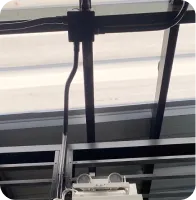
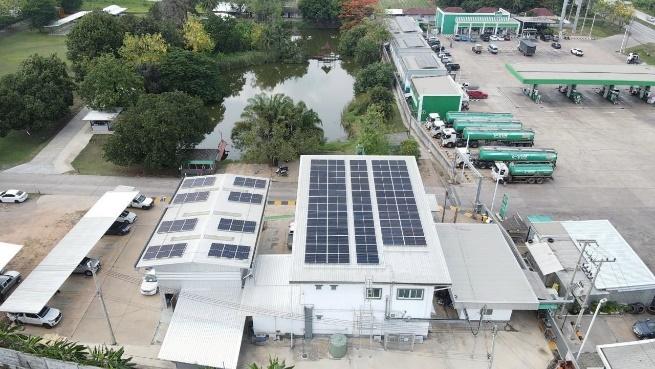
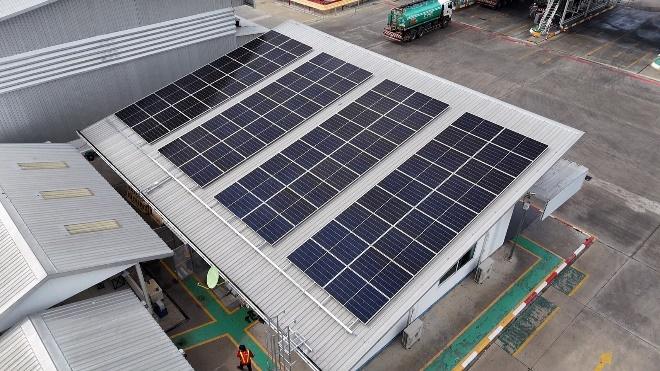
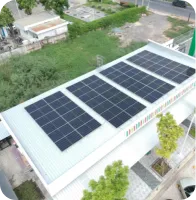
The Company demonstrates its commitment to supporting clean energy and reducing greenhouse gas emissions through the implementation of its solar rooftop project. Installation of solar panels on the rooftops of service stations began in 2020. The project aims to generate electricity from renewable energy sources for use in the Company’s operations, thereby reducing reliance on grid electricity and contributing concretely to the reduction of indirect greenhouse gas emissions (Scope 2).
In 2025, the Company expanded the solar rooftop project to three oil depots—Mae Klong Oil Depot, Khon Kaen Oil Depot, and Surin Oil Depot, to further increase the share of renewable energy used in its core operations and continuously enhance energy management efficiency.
The solar rooftop initiative represents one of the Company's key strategies to improve energy efficiency, reduce environmental impacts from business operations, and support the long-term transition toward sustainable energy use, in alignment with its climate change management goals and relevant international standards.
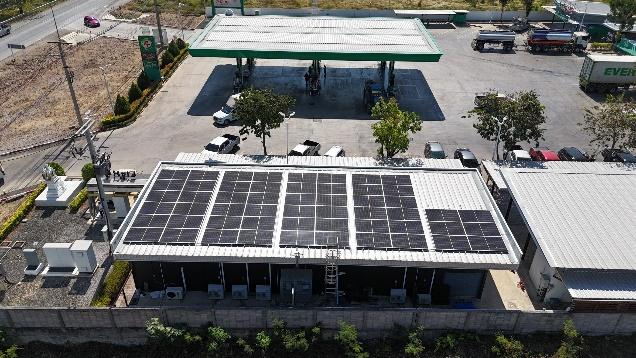
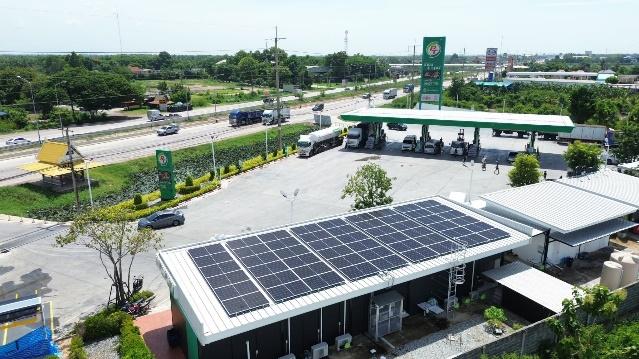

216 locations

5,642,203.41
kilowatts per year

EV Trucks
PTG Logistics has implemented a project to reduce environmental impacts from transportation, with a focus on lowering greenhouse gas emissions and improving energy efficiency within its logistics operations. One key measure under this initiative was the introduction of three electric trucks (Electric Vehicles: EVs) as part of a pilot project in 2025 to reduce reliance on fossil fuels
The implementation of this pilot project has demonstrated successful outcomes in lowering fuel consumption and decreasing greenhouse gas emissions. This initiative underscores the Company’s steadfast commitment to advancing eco-friendly transportation systems, promoting energy efficiency, and contributing to long-term climate change mitigation.

Reforest
Sustainable Rice Project: Methane Reduction through Alternate Wetting and Drying (AWD)
The Company places strong emphasis on mitigating climate change impacts throughout its value chain, recognizing that the agricultural sector plays a crucial role in reducing the country’s greenhouse gas emissions. As such, it has implemented a pilot low-carbon agriculture project by promoting rice cultivation using the Alternate Wetting and Drying (AWD) method. This approach involves shifting from continuous flooding throughout the growing season to controlled water management aligned with each stage of rice growth. The method reduces anaerobic soil conditions that contribute to methane generation, while also improving soil health and root development, resulting in stronger crops and more efficient water use.
From the project implementation, it is estimated that greenhouse gas emissions can be reduced by approximately 372 tons of carbon dioxide equivalent per year (tCO₂e/year), reflecting the agricultural sector’s potential contribution toward achieving national climate targets. In addition, the project has been registered as a Premium T-VER project under Thailand’s carbon credit certification mechanism, enhancing the credibility of its emission reduction outcomes and supporting the development of the domestic carbon market.
This initiative demonstrates PTG’s role in driving systematic greenhouse gas reduction through the integration of environmentally responsible business practices, in collaboration with partners and local farmers. It also supports the transformation of Thai rice production toward alignment with Net Zero goals and global sustainable agriculture trends, while generating long-term environmental, social, and economic value.


Mangrove Planting Project
To ensure that mangrove planting and restoration generate tangible environmental outcomes, the Company places strong emphasis on continuous maintenance and monitoring of mangrove seedling survival rates throughout the project period. The Company recognizes that planting trees alone is not sufficient; it is equally important to ensure that seedlings can grow and develop into a healthy and resilient mangrove ecosystem over the long term.
In implementing the project, the Company carefully selects appropriate mangrove species suited to site conditions, tidal patterns, and soil characteristics. Planting plans are aligned with seasonal cycles and the natural dynamics of coastal ecosystems. In parallel, regular monitoring and evaluation of post-planting survival rates are conducted through field surveys, ongoing maintenance, and replanting where survival rates fall below established standards. These measures help ensure that restored mangrove forests can effectively regenerate ecosystems and function as long-term carbon sinks.
Based on on-site survival rate assessments, the project achieved an average seedling survival rate of 83.54%, reflecting the effectiveness of the planting methodology and maintenance processes in delivering sustainable environmental outcomes.




Re-adjust Portfolio
Renewable Energy Business
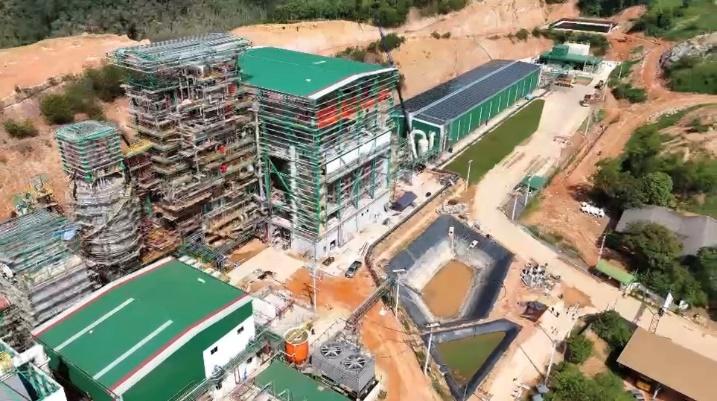
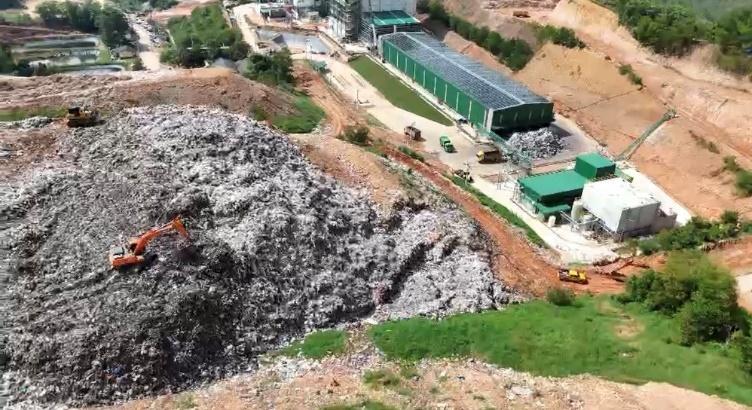
The Company’s waste management and community waste-to-energy power plant business plays a key role in addressing municipal solid waste challenges while reducing greenhouse gas emissions. By diverting waste from landfills, the project helps reduce methane generation and efficiently converts waste into usable energy. The project has a total installed electricity generation capacity of 6 megawatts and is expected to commence commercial operation in 2026.
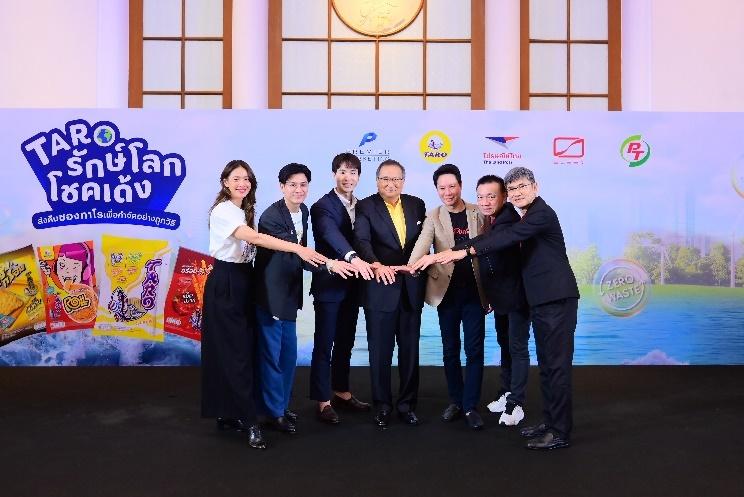
Building on these initiatives, in 2025, the Company expanded its Circular Economy efforts into tangible actions through the 'Taro Rak Lok Choke Deng' campaign. This campaign was a strategic collaboration with key partners, including Premier Marketing Public Company Limited, Thailand Post, and Sleek EV Company Limited, aimed at encouraging consumers to return non-biodegradable plastic pouches into a systematic management process. This partnership successfully collected 3,079.60 kilograms of Taro product pouches for conversion into Refuse Derived Fuel (RDF), effectively transforming plastic waste into efficient clean energy and reducing the environmental burden on landfills.
In 2025, the Company’s overall waste management operations processed a total of 58,299.59 tons of community waste. This achievement resulted in a greenhouse gas emission reduction of approximately 140,502.01 tons of carbon dioxide equivalent (tCO2e). These results reflect the Company’s pivotal role in driving efficient waste management and resource optimization, while simultaneously enhancing the environment and the quality of life for communities in a sustainable manner.

EV Charging Stations
In response to the accelerating transition toward electric mobility, the Company has expanded its role from a conventional fuel service provider to a key enabler of energy infrastructure for next-generation transportation. The Company is committed to developing an accessible and comprehensive EV ecosystem to support the growing adoption of electric vehicles nationwide. To this end, the Company has partnered with Electricity Generating Authority of Thailand (EGAT) to install EV Charging Stations under a strategic network expansion plan that reflects real-world travel patterns. This approach ensures continuous charging accessibility along major routes across the country. The Company aims to expand its network to a total of 400 charging units by 2027.
Under PTG’s Sustainable Product & Service Classification Framework aligned with the Thailand Taxonomy for low-carbon transportation the EV charging network is classified as a Sustainable Service based on its quantified environmental benefit of avoiding downstream greenhouse gas emissions avoided relative to conventional internal combustion engine (ICE) vehicles.
In 2025, the Company operated a total of 208 EV charging units. It also launched Giga EV Stations, which are large-scale charging hubs designed to accommodate high-frequency usage and multiple vehicle types, including private passenger EVs and commercial electric fleets. Equipped with high-power charging systems and efficient space management, these stations help reduce charging time constraints and enhance driver confidence for long-distance travel. The expansion of EV charging infrastructure and Giga EV Stations not only supports the electrification of the transport sector but also contributes to reducing downstream greenhouse gas emissions from customer use. This initiative reflects the Company’s strategic direction in balancing economic growth, energy transition, and long-term societal sustainability.
Sustainability Investment and Green Business Revenue
PTG Energy Group has allocated an investment budget for the five-year period (2025–2029) totaling approximately 10 billion Baht to support the transition to clean energy business and sustainable growth under its “Carbon Neutral 2030” goal. The company focuses on a balanced operation encompassing energy security, carbon dioxide emission reduction, and the development of new businesses that align with the organization's sustainable growth strategy.
| Segment | Sub segment | Description | Revenue (THB) | Revenue % |
|---|---|---|---|---|
| Petroleum Products and Others | Waste Management (General) | "Revenue generating activities related specifically to the design, development, manufacture, installation or operation of equipment and services for the collection, management and treatment of waste." | 32,610,917 | 0.02% |
| Solar (General) | Revenue generating activities related specifically to the operation and supply of power generation that harnesses the power of solar radiation, such as solar photovoltaic or concentrated solar systems but excluding solar thermal heating systems. | 01/ | 0.00% | |
| Waste to Energy (General) | "Revenue generating activities related specifically to the operation and supply of power generation that utilizes the energy derived from the incineration of municipal waste, or from a fuel source derived thereof. Otherwise known as Energy from Waste." | 472,433,820 | 0.21% | |
| Electrified Road Vehicles & Devices (incl Hydrogen powered) | "Revenue generating activities related specifically to the design, development or manufacture of advanced road vehicles and their key components. These include hydrogen-powered, electric and hybrid vehicles, but exclude mild hybrids and gas-powered vehicles." | 63,126,303 | 0.03% |
In 2025, the revenue from these activities accounted for 0.25% of the Group's total revenue, reflecting the continuous commencement of investments and expansion in the clean energy sector. This expansion supports the organization's environmental goals, drives the reduction of greenhouse gas emissions across the value chain, and ensures long-term sustainable growth.
Energy Management

Management Approach
Effective energy management is a key mechanism for reducing greenhouse gas emissions while lowering operating costs and minimizing environmental impacts from business activities. The Company has established a systematic energy management approach covering the monitoring, inspection, analysis, and evaluation of energy consumption across all operational processes. This enables the identification of energy usage trends, assessment of efficiency levels, and continuous improvement opportunities.
The Company emphasizes efficient energy utilization through the implementation of energy control measures, improvement of equipment and system efficiency, promotion of energy-saving behaviors among employees, and the use of energy consumption data to support managerial decision-making. These efforts aim to enhance long-term, sustainable energy efficiency and reduce overall energy consumption effectively.

Compliance with Principles and Standards
The Company has adopted the requirements of the Green Office program as a framework for systematically managing and controlling energy and resource consumption within office buildings. Clear guidelines and measures have been established, covering electricity, water, office materials, and equipment usage to promote efficient resource utilization and reduce environmental impacts.
The Company also focuses on fostering employee understanding and participation through communication and practices aligned with the Green Office framework. This ensures employees can effectively implement the measures and recognize their role in reducing energy consumption, using resources appropriately, and minimizing environmental impacts. These practices contribute to greenhouse gas reduction, strengthen the Company’s environmental management performance, and support long-term sustainable operations.
| Indicators | Unit | Performance | Targets | |||
|---|---|---|---|---|---|---|
| 2023 | 2024/th> | 2025 | 2025 | 2030 | ||
| Ratio of electricity consumption to total fuel sales volume through oil depots | Kilowatt per liter | -5.76% | -1.64% | -14.37%1/ | -3% | -3% |
| Ratio of electricity consumption to total fuel sales volume through COCO service stations | Kilowatt per liter | -1.77% | 9.38% | 2.29%2/ | -3% | -3% |
| Electricity consumption rate per person from activities within the head office | Kilowatt-hour per person | 23.55 | 22.38 (-4.97%) | 20.74 (-7.33%) | -3% | -3% |
Energy Reduction Measures Implemented
Electricity Saving Campaign in Operational Areas
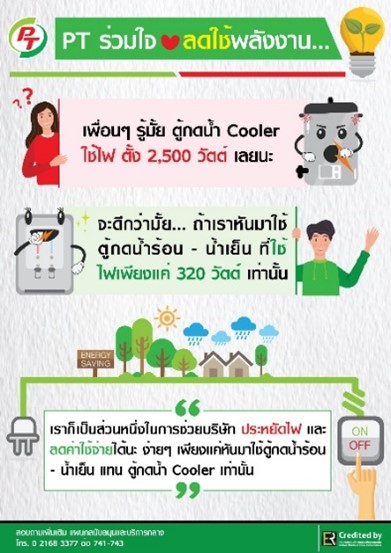
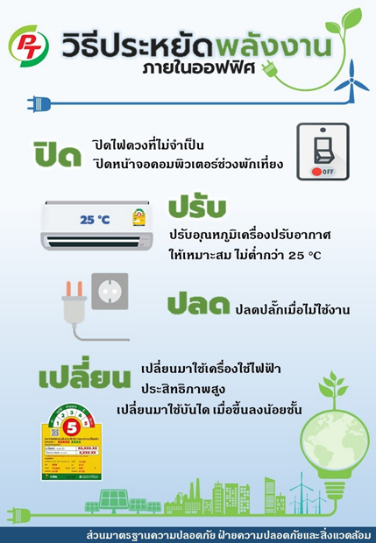
The Company continuously implements electricity reduction measures across all operational areas, including the head office and oil depots, by emphasizing systematic energy management alongside awareness-building and employee engagement. Energy-saving guidelines are communicated through internal channels to encourage employees to integrate efficient energy practices into their daily work routines.
The measures include controlling the use of electricity and electrical equipment, such as turning off lights and devices when not in use, setting designated operating hours for lighting and air-conditioning during lunch breaks and after working hours, adjusting air-conditioning temperatures appropriately for specific areas, configuring office equipment to energy-saving mode, unplugging devices after use, and limiting electricity usage to occupied areas only.
Additionally, at oil depot facilities, the Company has implemented energy control measures aligned with operational characteristics, while continuously promoting awareness of efficient energy use among employees. Long-term improvement plans include upgrading lighting systems to LED technology and installing solar power systems to further reduce electricity consumption and sustainably lower the Company’s greenhouse gas emissions.

The Company has adopted the concept of sustainable meetings by implementing internal Green Meeting guidelines that emphasize efficient resource and energy management. Careful planning is undertaken to ensure appropriate use of meeting room resources, including selecting meeting rooms that match the number of participants, choosing energy-efficient electrical equipment, and utilizing materials and supplies that help reduce resource consumption.
In addition, the Company has established practical guidelines for meeting participants in line with Green Meeting principles, such as turning off lights and electrical equipment after use, unplugging unnecessary devices, and avoiding food consumption inside meeting rooms to reduce energy use and waste generation. These measures promote efficient resource utilization, minimize unnecessary energy consumption, and reduce the organization’s overall environmental impact.

The Company places importance on systematic and efficient fuel management by continuously monitoring, auditing, and recording fuel consumption data from relevant departments. This enables effective control of fuel usage in alignment with operational plans. The Company also regularly reviews excess fuel consumption charges to analyze root causes and identify opportunities to further improve fuel efficiency. Fuel usage data is compiled into monthly performance reports and presented to management to support performance monitoring, the establishment of control measures, and long-term energy efficiency planning.

Backhaul Management Project
In 2025, the Company implemented a Backhaul Management Project for the transportation operations of PTG Logistics, utilizing B100 biodiesel-powered trucks. The project successfully reduced empty return trips by approximately 136,515 kilometers per year. This resulted in a reduction of fuel consumption by approximately 34,400 liters, representing energy savings of 14% compared to the previous transportation model.
The project is estimated to reduce greenhouse gas emissions by approximately 92 Ton of carbon dioxide equivalent (tCO₂e) per year through reduced fuel consumption and improved transport efficiency. This initiative represents a key measure supporting the Company’s greenhouse gas reduction targets and energy efficiency goals, in alignment with its long-term sustainable energy management and business strategy.
PTG Logistics 2025




(Carbon Dioxide Equivalent Tons)
Key Support Measures for Goals
 Global Greenhouse Gas Emission Reduction
 Increased Energy Efficiency
  Energy Management
 Green Sustainable Business
Inno-Green Project at Service Station Areas
The Company is committed to enhancing energy efficiency within its service stations through the application of innovation, technology, and environmentally friendly design concepts. The initiative aims to reduce energy consumption, lower operating costs, and minimize environmental impacts in a tangible manner. Under this project, the Company places strong emphasis on energy-efficient station design, including optimizing building orientation in alignment with sunlight and wind direction, selecting materials that reduce heat accumulation, and designing spaces to maximize the use of natural daylight to decrease daytime electricity consumption. In parallel with building design improvements, service stations have installed energy-saving equipment such as LED lighting and energy-efficient air conditioners (No. 5 energy label) to improve electricity efficiency and reduce greenhouse gas emissions from operations.
Additionally, Max Mart convenience stores located within the service stations have adopted the Marutto system, a cloud-based Heating, Ventilation, and Air Conditioning (HVAC) management system. This system enables centralized control, monitoring, and management of air conditioning operations. Users can access the system via mobile devices or web applications, allowing adjustments to align with actual operating hours and further optimize energy efficiency.
The project has been audited and certified by the Thailand Environment Institute (TEI), reflecting recognized standards in energy and environmental management. Performance results indicate that the project achieved a 20.30% reduction in energy consumption compared to conventional service stations. This demonstrates the effectiveness of integrating green building design, energy-efficient equipment, and intelligent energy management systems in a systematic manner.

1. Energy Efficiency
- Solar Roof Installation: Implementation of rooftop solar systems.
- Energy-Efficient Lighting & Cooling: Use of LED bulbs and energy-saving air conditioning systems.
- Smart Control Systems: Intelligent energy management and automation controls.



2. Water & Waste Management
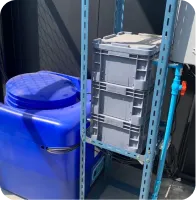
- Water Reuse Systems: Implementation of recycling and reuse systems for water conservation.
- 4-Category Waste Segregation: Multi-category waste sorting stations to promote recycling.
- Oil Spill Containment Sand Bins: Dedicated sand bins deployed for prompt oil spill response and management.



3. Green Technology
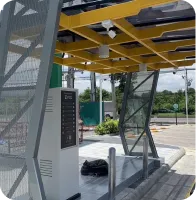
- Smart Facilities: EV charging stations and motion-sensor lighting in convenience store storage rooms.
- High-Speed Fuel Dispensers: Efficient, high-speed fueling technology to reduce vehicle idling time.


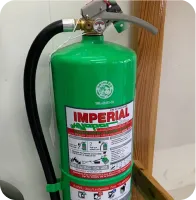
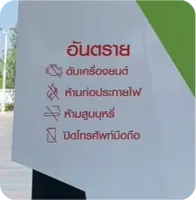
4. Safety & Compliance
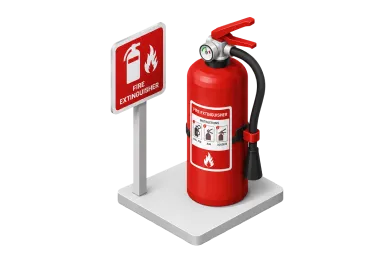
- Full PPE Compliance: Provision of complete Personal Protective Equipment (PPE) for all personnel.
- Regular Equipment Inspections: Routine maintenance and safety checks on all operational machinery.
- Clear Safety Signage: Highly visible safety signs and hazard warnings throughout the premises.


5. Eco-Friendly & Accessible Environment
- Eco-Friendly Product Promotion: Supporting and offering sustainable, environmentally friendly products.
- Green Building Materials: Installation of thermal insulation and translucent panels to leverage natural daylight.
- Accessible Restrooms: Fully equipped, wheelchair-accessible restrooms for persons with disabilities.