

Integrating environmental responsibility across the entire value chain to enhance resource efficiency and establish sustainability standards aligned with international benchmarks.
Key Stakeholders Affected

Stakeholder Impact

Business Impact
Performance Against Targets
Notes:
1/ Reported based on Ipieca/API/IOGP (2020) Indicator ENV-6 (Spills to the Environment) and industry benchmarks. Scope encompasses oil terminal operations of PTG Energy PLC and oil transportation services by PTG Logistics Co., Ltd.
2/ The scope of waste data covers PTG Energy Public Company Limited at its Head Office, distribution centers, oil depots, and PTG Logistics Company Limited across 10 transport offices, including maintenance and office activities.
3/ The incident was caused by a transportation accident, resulting in an oil spill of 25.16 barrels. Following the occurrence, the Company immediately implemented its spill response and remediation plan. Furthermore, the incident has been analyzed as a case study to identify root causes and establish preventive measures to mitigate the risk of recurrence in the future.
Management Approach

The Company conducts its environmental operations under internationally recognized sustainability frameworks, emphasizing pollution prevention, efficient resource and energy utilization, and strict compliance with environmental laws and regulations, while closely monitoring global climate trends. The Company has strengthened its greenhouse gas reduction measures through energy efficiency improvements, solar energy installations, and systematic greenhouse gas inventory management to support its long-term emission reduction targets.
In addition, the Company continuously monitors and controls environmental quality, covering air, water, and waste management, including the control of volatile organic compound (VOC) emissions and wastewater treatment systems in compliance with applicable standards. Environmental emergency response plans are also in place to mitigate potential impacts on surrounding communities. The Company further promotes natural resource conservation and biodiversity through community engagement initiatives and has pursued ISO 14001 Environmental Management System certification to ensure continuous alignment with international standards.
PTG Environmental PolicyEnvironmental Governance Structure
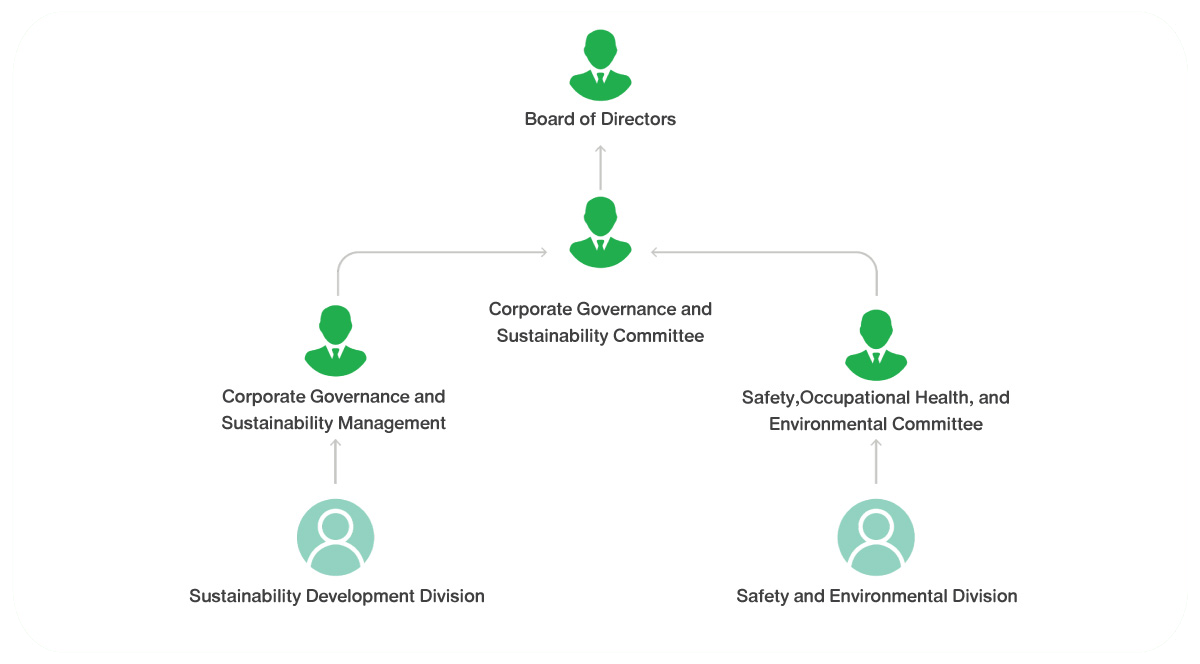
The Group designates the Board of Directors as the highest authority responsible for environmental oversight and strategic approval, ensuring that environmental policies and operations align with the organization’s vision and sustainability goals. The Board delegates responsibilities to the senior management team, the Corporate Governance and Sustainability Committee, and the Security, Safety, Occupational Health, and Environment (SSHE) Working Committee to drive implementation, monitor progress, and regularly report performance to the Board of Directors. Executives at all levels are responsible for translating policies into practice, with clearly defined environmental roles and responsibilities across all business units. A formal environmental governance structure has been established, including an Environmental Committee that monitors and reviews performance on a monthly basis, while continuously developing and improving measures in alignment with sustainability objectives. In addition, the Group strictly complies with applicable environmental laws and regulations through continuous legal monitoring and at least annual reviews of compliance obligations. The Company has obtained ISO 14001:2015 Environmental Management System certification for all oil depot locations, as well as Green Office certification for its office premises, reflecting its concrete commitment to conducting business with environmental responsibility.
Environmental Promotion and Awareness Building
The Company places strong emphasis on continuously enhancing employees’ knowledge, understanding, and awareness of environmental issues. This ensures that employees at all levels recognize the potential environmental impacts arising from their work activities and actively participate in using resources efficiently and sustainably. The Company has provided e-Learning training through the Green Office course to promote broad access to environmental management knowledge, covering employees across all departments and operational areas.
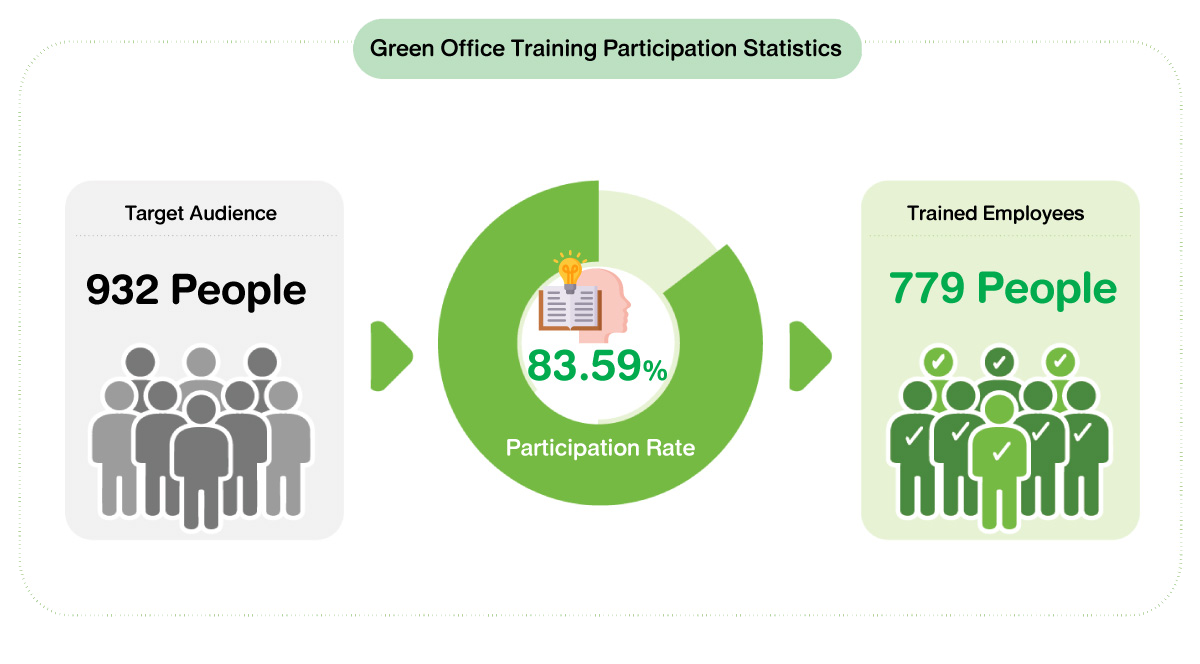
In 2025, a total of 779 employees completed the training out of 932 targeted participants, representing an 83.58% participation rate. This reflects the organization’s strong commitment to strengthening employees’ environmental capabilities, as well as their awareness and cooperation in driving the Company toward environmentally friendly and sustainable operations in the long term
Water Management
Management Approach

Compliance with Principles and Standards
The Company prioritizes wastewater quality monitoring and control under its organizational water management framework in alignment with GRI 303 Standards. This approach aims to prevent environmental and community impacts in surrounding operational areas. Wastewater quality is regularly monitored based on key parameters such as pH, BOD, COD, TSS, and oil and grease, in compliance with notifications of the Ministry of Industry. Wastewater monitoring serves as an essential tool to ensure that pollutant levels remain within legal and regulatory limits.
Monitoring results are used to evaluate the efficiency of wastewater treatment systems, identify improvement opportunities, and continuously manage environmental risks. Furthermore, the Company plans to expand the scope of wastewater quality monitoring by including Total Dissolved Solids (TDS) as an additional parameter. This enhancement will strengthen the comprehensiveness of water quality monitoring and reinforce sustainable water resource management, reflecting the Company’s commitment to transparent environmental operations aligned with sustainable development principles.
Wastewater Quality Monitoring
The Company systematically manages wastewater to prevent adverse environmental and community impacts. Each business unit is required to install wastewater treatment systems or grease traps to manage wastewater at the source and ensure that effluent quality meets legal standards before discharge into public waterways. To ensure effective system performance, wastewater treatment systems and grease traps are cleaned and maintained regularly, at least once per week. Water consumption data from each site is recorded and analyzed to identify usage trends and support the development of appropriate water reduction measures.
Additionally, the Company has communicated water reduction targets organization-wide to raise awareness and encourage employee participation in efficient water use. Awareness campaigns are conducted through internal communications and online training programs, such as the Green Office course, to enhance knowledge and understanding of water and wastewater management. Communication channels are also provided for employees to report malfunctioning or damaged water-related equipment and wastewater treatment systems. This enables timely repairs and improvements, reduces environmental risks, and supports the Company’s long-term sustainable water resource management objectives.
| Items | Standard Value1/ | Unit | Average inspection results | ||
|---|---|---|---|---|---|
| Oil Depot2/ | Service Station3/ | Transportation Office4/ | |||
| 1. pH | 5.5-9.0 | - | 7.8 | 7.6 | 7.5 |
| 2. Biochemical Oxygen Demand (BOD) | 20 | mg/l | 11.1 | 43 | 23.0 |
| 3. Chemical Oxygen Demand (COD) | 120 | mg/l | 77.3 | 134 | 165 |
| 4. Total Suspended Solids | 50 | mg/l | 12.7 | 21 | 13.7 |
| 5. Oil and Grease | 5 | mg/l | 0.6 | 5 | 4 |
| 6. Temperature | 40 | °c | 30.2 | 30.2 | 33.5 |
Notes:
1/ Standard values are based on the Notification of the Ministry of Industry Re: Effluent Discharge Standards for Factories B.E. 2560 (A.D. 2017).
2/ Covers 9 oil depot locations: Mae Klong Oil Depot, Chumphon Oil Depot, Pak Thong Chai Oil Depot, Khon Kaen Oil Depot, Surin Oil Depot, Nakhon Sawan Oil Depot, Phitsanulok Oil Depot, Lampang Oil Depot, and Nong Khae Oil Depot.
3/ Covers 151 fuel service stations in accordance with the 2025 annual environmental quality monitoring plan.
4/ Covers 2 transportation office areas: Nong Khae Transportation Office and Si Racha Transportation Office.
Performance
| Unit | Performance | Targets | ||||
|---|---|---|---|---|---|---|
| 2023 | 2024 | 2025 | 2025 | 2027 | ||
| Ratio of tap water consumption to total fuel sales volume through oil depots | Cubic meter per liter | 6.76% | -3.48%1/ | -15.49% | -2% | -2% |
| Ratio of tap water consumption to total fuel sales volume through service stations | Cubic meter per liter | -13.80% | 7.38%2/ | 51.11%3/ | -2% | -2% |
| Water consumption rate per person from activities within the head office | Liter per person | 51.89 | 47.34 (-8.77%) | 40.73 (1.04%) | -3% | -3% |
1/ The ratio of tap water consumption to oil sales volume through oil depots increased due to upgrades to the fire protection system and improvements to water storage tanks for firefighting purposes. These enhancements were implemented to strengthen safety preparedness and ensure compliance with relevant requirements, resulting in a temporary increase in water consumption during the improvement period.
2/ The ratio of tap water consumption to oil sales volume through service stations increased due to the expansion in the number of service stations and the rise in customer usage, leading to higher water demand for activities within service stations.
3/ The water intensity relative to oil sales volume through service stations has increased. This is primarily attributed to the expansion of the service station network and service areas, leading to higher water consumption for onsite activities, such as facility cleaning, restrooms, and customer amenities. Additionally, the increase reflects a more comprehensive and accurate data collection process across all operating sites.
Measures Implemented to Reduce Water Consumption
“Every Drop Counts” Project
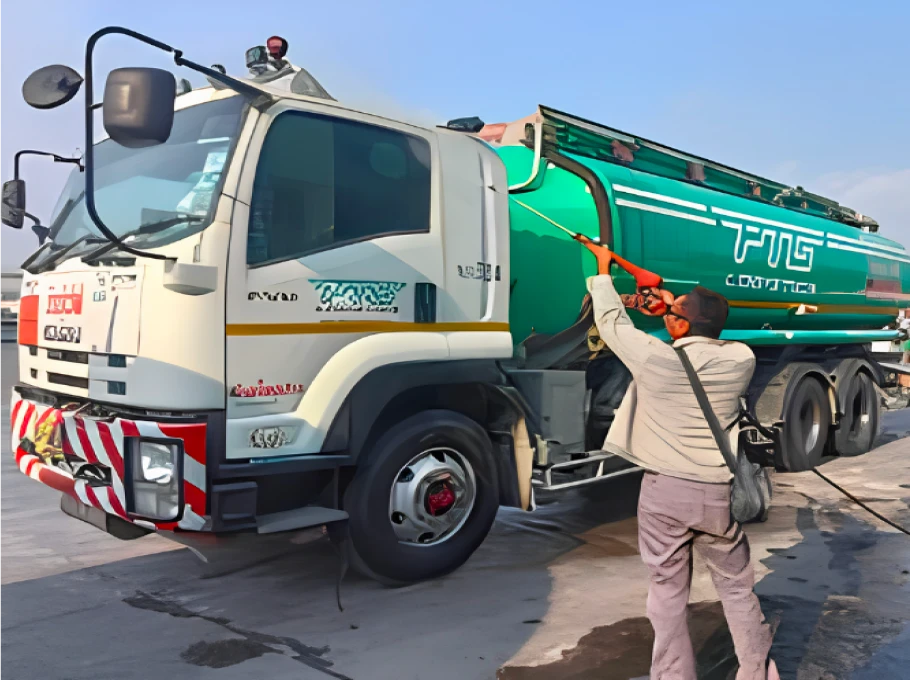
The Company places strong emphasis on efficient water resource management and has further developed its process improvement concept from the Kaizen initiative into the “Every Drop Counts” project. This initiative focuses on water management in the oil tanker truck washing process.
The project was piloted at the Nong Khae Oil Depot in Saraburi Province, aiming to reduce tap water consumption by reusing reject water from the Reverse Osmosis (RO) drinking water production system. This reject water accounts for more than 80% of the input water volume and is reused to replace tap water in the truck washing process. The reused water meets appropriate quality standards and does not affect operational safety or depot performance standards.
Waste and Waste Management

Management Approach
The Company places strong emphasis on systematic waste management throughout its entire value chain, adopting the 3R principles (Reduce, Reuse, Recycle) as the core framework for waste prevention at source, efficient resource utilization, and environmental impact reduction. The organization focuses on designing and improving work processes to minimize unnecessary material usage, while promoting reuse and proper waste segregation to maximize recycling opportunities. A clear waste segregation system has been implemented, covering both hazardous and non-hazardous waste, with defined procedures for handling, collection, recycling, and lawful disposal in compliance with applicable laws and regulations. In addition, the Company has established measures to address oil or chemical spill incidents by preparing spill control and absorption equipment (Spill Kits) in high-risk areas, along with clear procedures for managing waste generated from emergency situations in accordance with environmental requirements. These measures help minimize impacts on soil, water resources, and surrounding ecosystems.
Such initiatives contribute to reducing the volume of waste sent for final disposal, lowering environmental contamination risks, and supporting efficient circular resource use. The Company also continuously monitors and evaluates waste management performance through environmental key performance indicators (KPIs), using the data to improve processes and set long-term waste reduction targets.
Sustainable Packaging Management
The Company places strong emphasis on advancing sustainable packaging management throughout its business operations, aiming to reduce environmental impacts while maintaining product quality and safety. The Company adopts a resource efficiency approach, focusing on minimizing materials that generate waste, particularly non-biodegradable plastics, promoting packaging reuse, and increasing the proportion of materials appropriately returned to recycling processes.
These efforts encompass a variety of projects and initiatives, such as campaigns to reduce plastic bag usage in product distribution, as well as collaboration with suppliers to design and develop environmentally friendly packaging. This includes careful material selection, minimizing unnecessary material use, and ensuring packaging is suitable for proper end-of-life management.
In addition, the Company fosters an organizational culture that emphasizes responsible resource consumption through continuous communication and awareness-building among employees at all levels. This encourages reduced use of disposable materials, selection of environmentally friendly alternatives, and active participation in effective waste management, forming a key foundation for long-term sustainable growth.
Sustainable Packaging PolicySustainable Food Loss & Food Waste Management
The company is committed to promoting sustainable consumption and production in alignment with the UN SDG. The company actively manages food loss and waste across responsible procurement, storage, and distribution. Key operational practices include monitoring food waste levels, discounting products near expiration to reduce discard rates, and maximizing food waste valorization through waste-to-energy transformation. In the past reporting period, a total of 1,530 kg of food waste was collected and transferred to certified contractors for conversion into Refuse-Derived Fuel (RDF), significantly diverting waste from landfills, curbing greenhouse gas emissions, and supporting a circular economy.
Food Loss and Waste CommitmentsCompliance with Principles and Standards
The Company is committed to responsible waste management by applying the 3R principles (Reduce, Reuse, Recycle) as a key framework to minimize environmental impacts and enhance resource efficiency. Reduce focuses on preventing waste generation at the source through efficient material use and minimizing unnecessary resource consumption. Reuse encourages the repeated use of materials and equipment to reduce the volume of waste requiring disposal. Recycle promotes proper waste segregation to enable materials to be reprocessed and reused effectively.
Implementation of the 3R principles helps reduce the burden of final waste disposal, lower greenhouse gas emissions from waste treatment processes, and promote efficient circular resource utilization. This reflects the Company’s commitment to sustainable business practices while creating long-term positive environmental and social impacts.
Tire Retreading Project
The Company has implemented a tire retreading project for ten-wheel trucks, tractor heads, and semi-trailers to enhance resource efficiency and reduce environmental impacts. Retreaded tires are selectively used for appropriate wheel positions, while new tires are maintained for front and drive wheels to ensure operational safety standards. The use of retreaded tires extends tire lifespan, improves resource efficiency throughout the product life cycle, and reduces the volume of end-of-life tires requiring disposal. This initiative also lowers the demand for virgin raw materials in tire production, contributing to reduced procurement-related environmental impacts and waste generation. In addition, the project delivers tangible operational cost savings. The Company has continuously implemented this initiative since 2022.
In 2025, a total of 1,906 retreaded tires were installed, resulting in cost savings of approximately 9,739,660 baht. The Company continues to implement this project on an ongoing basis, while establishing appropriate tire inspection and maintenance procedures to ensure maximum safety and efficiency in use. The retread tire initiative forms part of the Company’s efforts to promote efficient resource utilization in line with circular economy principles, reflecting its commitment to conducting business alongside sustainable environmental stewardship.


| Tire Size | Unit | Number of retreaded tires | |||
|---|---|---|---|---|---|
| 2022 | 2023 | 2024 | 2025 | ||
| 295/80 | Tires | 509 | 260 | 51 | - |
| 11R 22.5 | Tires | 417 | 670 | 994 | 1,906 |
| Total | Tires | 926 | 930 | 1,045 | 1,906 |
Recycling Waste Segregation Campaign Nong Khae Transport Office, Saraburi Province
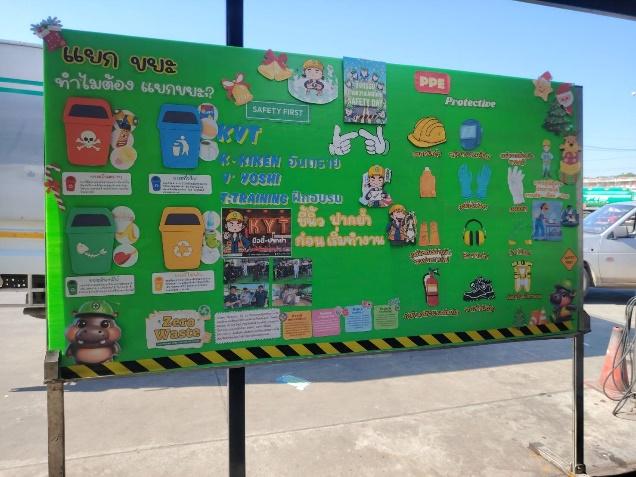
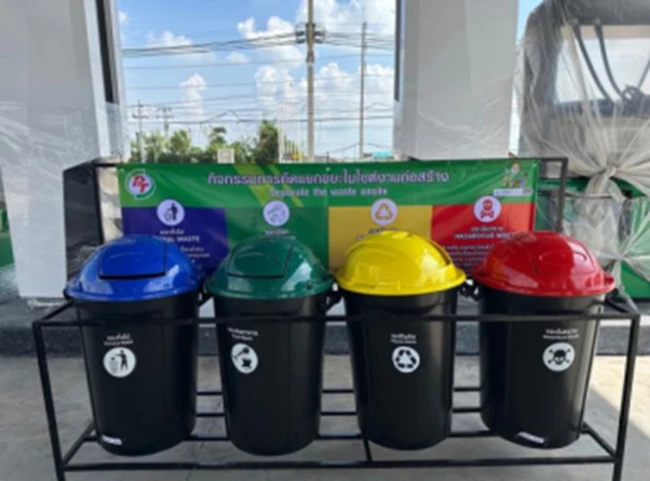
In the past year, the Company implemented a waste segregation campaign at the Nong Khae Transport Office in Saraburi Province to promote proper waste management and enhance waste separation efficiency at the source. The initiative focused on building knowledge, understanding, and environmental awareness among all employees in the operational area. As part of the project, communication boards were developed to provide clear guidance on waste categories and proper segregation practices, covering general waste, recyclable waste, and hazardous waste. The Company also conducted comprehensive internal communications to ensure that all employees clearly understood and consistently applied the correct waste separation standards.
This project aims to achieve 100% accurate and complete waste segregation, reduce contamination that affects waste management and disposal processes, and promote efficient resource utilization. It aligns with the 3Rs waste management principles and supports the Company’s sustainable environmental operations.
Waste Segregation Point Project at Oil Depot Areas
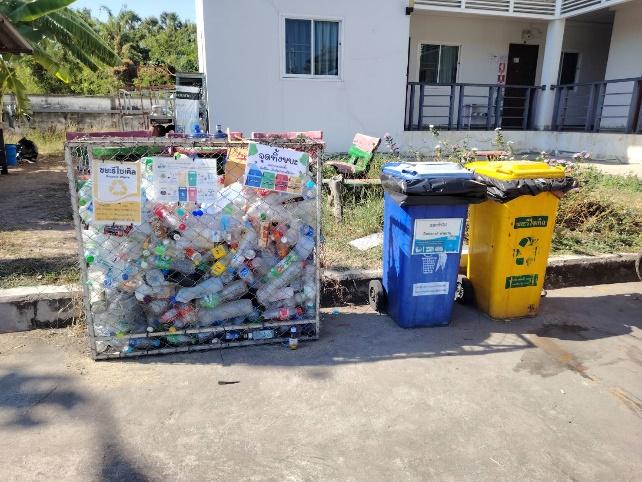
At the oil depot areas, the Company has continuously implemented initiatives focused on systematic waste management. Designated zones have been established for separating different types of waste, including general waste, recyclable waste, organic waste, and hazardous waste, to ensure proper, efficient, and environmentally friendly waste management. This initiative helps reduce the volume of waste sent directly for final disposal, increases opportunities for material reuse and recycling, and minimizes environmental and health risks associated with the mixing of hazardous waste with other waste types.
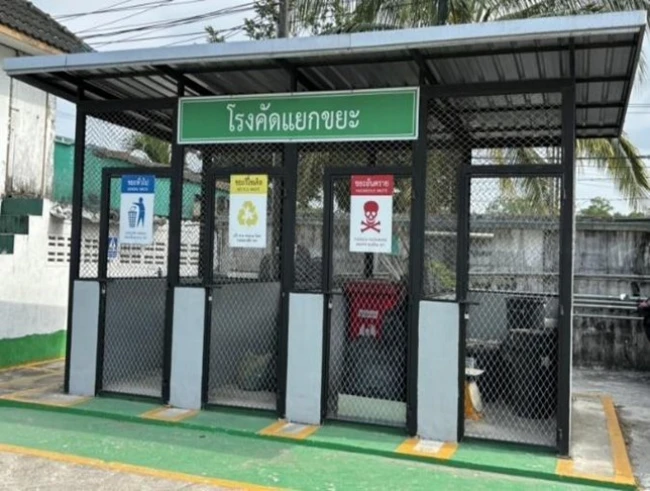
In addition, training sessions and awareness campaigns have been conducted to educate employees on proper waste segregation practices. Clear signage and instructional labels have been installed at waste disposal points to enhance understanding and encourage cooperation among employees at all levels in managing waste efficiently and sustainably. Furthermore, the Company has developed communication materials to campaign for the reduction and elimination of foam food containers within oil depot areas. The initiative aims to raise awareness of the environmental impacts of foam usage and encourage employees and on-site personnel to switch to environmentally friendly packaging alternatives, such as recyclable or biodegradable materials. This effort supports the Company’s sustainability goals and helps reduce waste that may impact surrounding communities.
Low Emission Support Scheme (LESS)
In 2025, the Company implemented a waste management initiative aimed at reducing greenhouse gas emissions by participating in the Low Emission Support Scheme (LESS). The program seeks to enhance waste management efficiency at the source, reduce the volume of waste requiring disposal, and minimize greenhouse gas emissions generated from waste treatment processes. A total of two projects were carried out under this program, namely:
Lead to Zero Waste X Khun Yim – Udomsuk Market Project
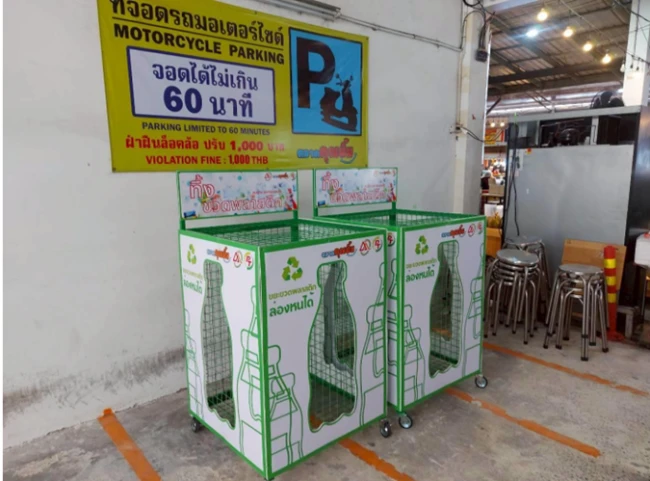
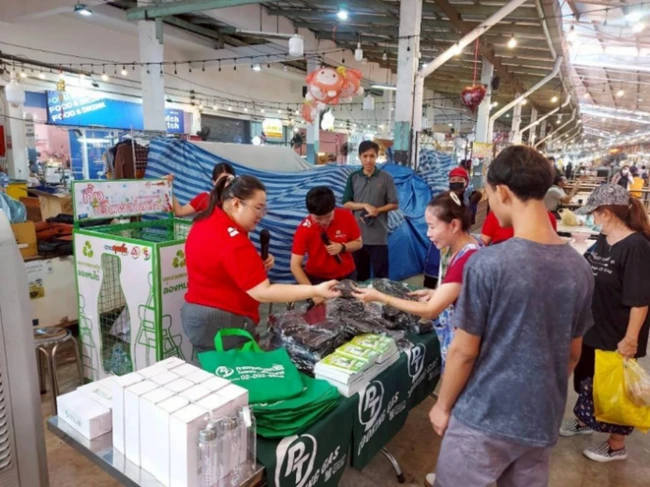
PTG Energy Public Company Limited and Atlas Energy Public Company Limited, in collaboration with CJ Fifteen Company Limited under the name Khun Yim Market @ Udomsuk, supported greenhouse gas reduction initiatives by installing waste segregation bins within the market area. The project aimed to encourage customer participation in waste separation and generate income for employees from recyclable waste.
Prior to project implementation, systematic awareness campaigns and educational activities on proper waste segregation were conducted to build understanding and cooperation among stakeholders. As a result, the project achieved a reduction of 18 kilograms of carbon dioxide equivalent (kgCO₂e) in greenhouse gas emissions.
Waste Segregation Project at the Construction Sites of Sikhio 7 and 8 Service Stations
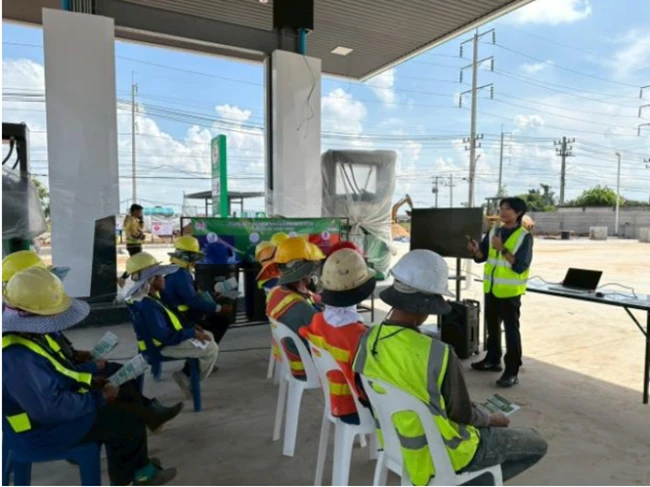
PTG Energy Public Company Limited has actively engaged with suppliers and contractors to promote sustainable waste management practices. Recognizing the importance of capacity building, the Company provided technical knowledge, training, and guidance on construction waste management to its contracting partners, using the Sikhio 7 and 8 service station project as a pilot model. The initiative aimed to develop a model construction site for effective waste management and to enhance contractors' and workers’ awareness and practical understanding. In collaboration with K. Naksom Company Limited, the Company offered budget support, specialized equipment, and hands-on training sessions, implementing a structured waste segregation system categorized into four types: general waste, hazardous waste, organic waste, and recyclable waste (paper, glass, plastic, steel, and aluminum). As a result, contractors and site workers were able to properly segregate waste at the source. Throughout the project period, a total of 2,926 kilograms of recyclable waste was successfully collected and diverted from landfills.
Performance
| Indicators | Unit | Performance | Targets | ||||
|---|---|---|---|---|---|---|---|
| 2023 | 2024 | 2025 | 2025 | 2027 | |||
| Proportion of waste and hazardous waste properly disposed of in compliance with legal requirements and without environmental impact | % | 100% | 100% | 100% | 100% | 100% | |
| Significant oil and chemical spills greater than 1 barrel but not exceeding 100 barrels | Cases | - | - | - | 01/ | 0 | |
| Significant oil and chemical spills exceeding 100 barrels | Cases | 0 | - | - | 0 | 0 | |
| Average paper consumption at headquarters | Sheet Per Person | 201,902 | 214,922 (6.45%) |
212,063 (-1.33%) |
-3% | -3% | |
| Average volume of general waste generated from activities at headquarters | Kg Per Person | 2.18 | 1.77 (-18.81%) | 1.54 (-13%) | -3% | -3% | |
Note:
1/ The incident was caused by a transportation accident, resulting in an oil spill of 25.16 barrels. Following the occurrence, the Company immediately implemented its spill response and remediation plan. Furthermore, the incident has been analyzed as a case study to identify root causes and establish preventive measures to mitigate the risk of recurrence in the future.
Air Quality Management

Air Quality Management Approach
The Company places importance on managing air emissions from oil depot operations, which may generate Volatile Organic Compounds (VOCs) and other air pollutants from fuel receiving, distribution, and storage activities. The Company has therefore established measures to control and reduce air emissions in compliance with relevant environmental laws and best practices, with a focus on systematic operational improvement, oversight, and management.
The Company conducts regular air quality monitoring in high-risk areas, covering key parameters related to emissions from oil depot activities. Emission data are recorded, analyzed, and evaluated to identify trends, risks, and opportunities for continuous operational improvement. In addition, periodic external audits and verifications are conducted to ensure data accuracy and compliance with environmental requirements, while minimizing impacts on employees, surrounding communities, and the environment in a sustainable manner.
Compliance with Principles and Standards
Air Quality Monitoring
The Company regularly monitors and assesses air quality at emission sources and high-risk areas within oil depots, covering significant air pollutant parameters such as Volatile Organic Compounds (VOCs), in accordance with the criteria, methods, and control standards prescribed by notifications of the Ministry of Natural Resources and Environment.
Monitoring results are recorded, analyzed, and evaluated to track emission trends, assess risks, and review the effectiveness of air quality management practices. The data are also used to support continuous operational improvements. Furthermore, the Company undergoes periodic external audits to verify data accuracy, reliability, and compliance with environmental requirements, while enhancing transparency in disclosures to stakeholders in line with sustainable development principles.
| Item | Monitoring Results | Standard Value1/ | Unit |
|---|---|---|---|
| Total VOCs | 0.392/ | 17 | mg/m3 |
Notes:
1/ Standard values are in accordance with the Notification of the Ministry of Natural Resources and Environment on the Control Standards for Gasoline Vapor Emissions from Fuel Oil Depots B.E. 2564 (A.D. 2021). Measurements are taken from non-combusted vapor vent stacks, with results calculated at a pressure of 1 atmosphere (760 mmHg), temperature of 25°C, on a dry basis.
2/ Data represents average measurement results from the Saraburi Oil Terminal area only, as it is located within a specifically designated zone under the Ministerial Notification.
Biodiversity Management
Biodiversity Management Plan
The Company conducts its business with due consideration for biodiversity conservation and the responsible use of natural resources. Its operational framework aligns with the objectives of the Convention on Biological Diversity (CBD) under the United Nations, as well as national biodiversity targets. The Quality, Security, Safety, Health, and Environment (QSSHE) Policy serves as the common operational framework across the Group, supporting systematic and consistent biodiversity management while adhering to the principle of “No Net Loss (NNL).”
In addition, the Company aims to achieve a “Net Positive Impact” on biodiversity within key agricultural supply chains by 2030. This commitment is integrated into the sustainability strategy under the Environmental Stewardship pillar, supporting long-term conservation and sustainable use of natural resources.
Biodiversity CommitmentBiodiversity Risk Assessment
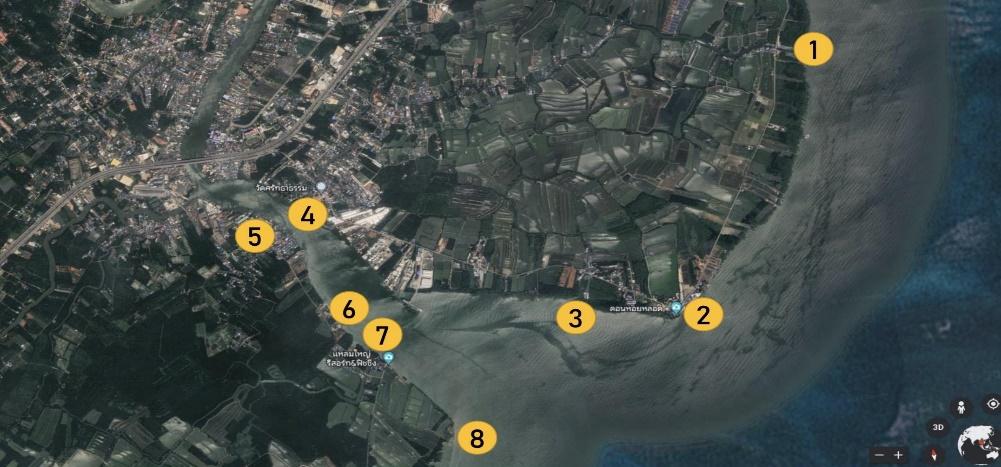
The Company has established a biodiversity risk assessment process to analyze the sensitivity of environmental impacts arising from business operations and activities throughout its value chain that may affect living organisms and biodiversity resources. The assessment serves as a basis for developing action plans and projects to protect and manage risks that may impact biodiversity. The process includes the following steps:
Measures Implemented and Key Projects
Although the Company primarily operates in the downstream energy and retail sectors, which generally have lower resource intensity and pollution levels than upstream industries, it recognizes that operational activities at every stage may still generate environmental impacts. These include energy and resource consumption, waste and wastewater management, greenhouse gas emissions, and environmental risks that may affect surrounding ecosystems and communities.
Accordingly, the Company has established systematic environmental management measures covering prevention, control, monitoring, and continuous improvement. These measures ensure responsible operations in compliance with applicable laws and regulations, while reducing risks and impacts throughout the value chain. They also contribute to enhancing operational efficiency and supporting the Company’s long-term sustainable development goals.

1. Logistics and Transportation Risk Management (Oil Spill Risk)
The Company assesses and manages risks associated with potential oil spills during transportation and transfer processes. Operations are conducted in accordance with the ISO 39001 Road Traffic Safety Management System and the Company’s internal PTG Driver Safety Standard. Real-time vehicle tracking systems (GPS) are installed to enhance accident risk control. In addition, Oil Water Separators (OWS) are installed at all oil depots and service stations. The Company also conducts annual emergency response drills in collaboration with local communities and authorities to strengthen preparedness and minimize potential environmental impacts.

2. Waste and Plastic Pollution Management
Within its retail business, the Company recognizes the environmental risks associated with consumer-generated waste that may leak into the environment. To mitigate these impacts, the Company promotes the use of biodegradable packaging at Punthai Coffee. The Company also implements Circular Economy initiatives focusing on waste segregation, upcycling, and recycling of plastic waste to reduce the volume of waste that could negatively impact ecosystems.

3. Marine Ecosystem Conservation Project at Mae Klong Oil Depot
The Company implements coastal ecosystem restoration activities at the Mae Klong Oil Depot, including mangrove reforestation and the release of aquatic species back into their natural habitats. These initiatives help reduce coastal erosion and strengthen sustainable nursery grounds for marine life. In addition, the Company supports the establishment of community waste segregation points in surrounding areas to reduce waste leakage into the Mae Klong River, fostering collaboration between the Company and local communities in conserving natural resources.