
The Company believes that long-term sustainability is achieved by integrating business growth with the creation of shared value for society, communities, and the environment, thereby driving balanced and sustainable growth over the long term.
Key Stakeholders Affected

Stakeholder Impact

Business Impact
Performance Against Targets
Community Satisfaction with Participation in Activities
2025
2025
2027
Management Approach

The Company has established a Corporate Social Responsibility (CSR) strategy and project framework focused on building relationships and engagement with communities and society, as well as environmental conservation, alongside responsible business operations and support for the Sustainable Development Goals (SDGs). This approach aims to maintain a balanced business model, respond to stakeholder expectations, and effectively manage risks arising from potential impacts on communities, society, and the environment. The Company emphasizes creating shared value, fostering cross-sector collaboration, and providing appropriate opportunities for relevant stakeholders to participate in its operational processes.
CSR Strategy Framework
The Company has established a Corporate Social Responsibility (CSR) strategy and project framework, focusing on building strong relationships and engagement with communities and society, as well as environmental conservation. This approach is guided by the concept of “License to Operate” and supports the Sustainable Development Goals (SDGs). It aims to maintain a balanced business model, meet stakeholder expectations, and prevent or mitigate potential impacts of business operations on communities, society, and the environment. The Company has defined the following strategic directions to guide its implementation:
Allocation of Support and Donation Budget
as a Proportion of Net Profit in 2025
Categories and Allocation of Social Investment
Promotion of Local Employment, Raw Materials, and Community Products
The Company places strong emphasis on supporting local communities throughout its value chain by promoting local employment, sourcing raw materials from local farmers and entrepreneurs, and assisting in distributing agricultural products during periods when farmers face market access challenges. This approach aims to create economic opportunities, distribute income to communities, and strengthen local economies sustainably. Details are as follows:

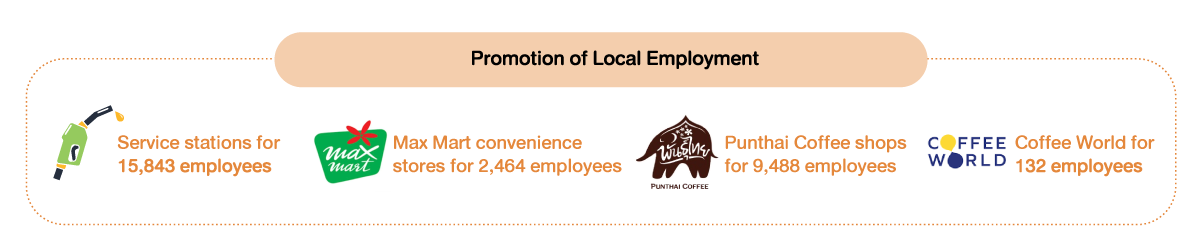
Promotion of Local Employment
The PTG Group prioritizes local hiring to create stable jobs and income for people in the communities where it operates. By providing employment opportunities within hometowns and nearby areas, the Company helps reduce migration pressures, enhance household economic stability, and improve long-term quality of life. Employment across the PTG Group’s businesses not only distributes income into local economies but also strengthens surrounding communities through ongoing local participation in business operations. Currently, the PTG Group employs personnel in its core businesses as follows:
Promotion of Local Sourcing
The PTG Group places strong emphasis on creating shared value throughout its business value chain by promoting the use of Thai local raw materials in developing products under the Punthai Coffee brand. It aims to support domestic farmers and producers by providing market access and enabling them to generate appropriate value from their products. This approach connects the Company’s business operations with community economic development by transforming agricultural products from various regions into beverage offerings that meet consumer needs, while preserving the unique identity of local ingredients. As a result, farmers gain stable income and employment, reducing the need for migration and strengthening the local circular economy. At the same time, the Company enhances supply continuity, mitigates the risk of raw material shortages, and supports long-term, efficient business operations.
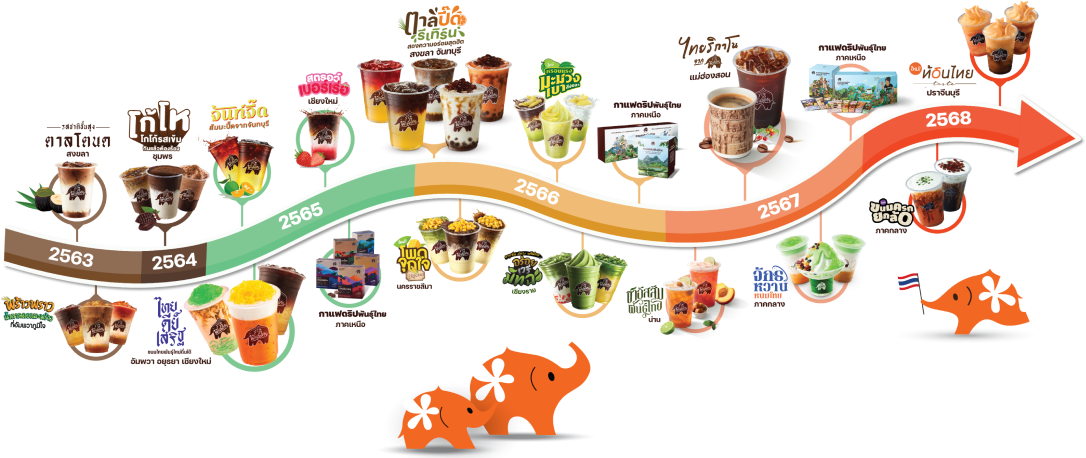
Over the past year, the Company has developed signature beverage products featuring renowned provincial specialties. These include the Thai-Ricano “Taste of Nan,” made from 100% Arabica specialty coffee beans sourced from high-quality plantations in Nan Province, recognized nationally for their distinctive flavor profile. The initiative supports sustainable forest and mountain development through coffee cultivation and promotes local employment by enabling farmers to earn income from growing and selling coffee beans. Other examples include beverages made from “Bengal currant” (Carissa carandas) from Samut Songkhram Province, reflecting the commitment of a new generation of farmers to develop and preserve local resources, and “Pui Fai Santol from Prachinburi” under the “Thai Taste Series.” The Company sources santol directly from local farmers and transforms it into beverages distributed nationwide. Through these initiatives, the Company develops distinctive products with traceable origins that respond to growing consumer demand for responsibly sourced goods, supporting sustainable business growth while delivering benefits to communities, society, and the Thai economy from upstream to downstream.
at a total value of
made with community-sourced ingredients totaling
Supporting Small Entrepreneurs and Local Partners
The PTG Group is committed to strengthening small entrepreneurs and local suppliers by incorporating community-sourced raw materials and products into the development and distribution channels of Punthai Coffee. This approach creates stable market access, expands business opportunities, and reduces sales risks for community-level producers. The Company collaborates with farmers and entrepreneurs across various regions nationwide.
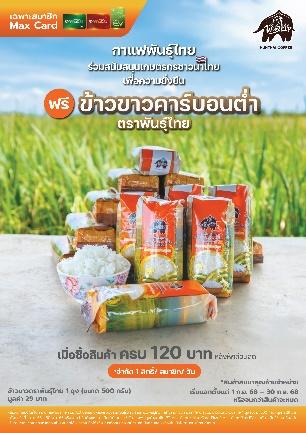
1) Sustainable Thai Rice Farmer Support Project
The Company supports environmentally friendly agricultural practices by encouraging farmers to transition to low-carbon rice production. This includes promoting methods and technologies that reduce greenhouse gas emissions, such as alternate wetting and drying (AWD), efficient water management, and proper agricultural residue management. These efforts aim to enhance production efficiency while ensuring the long-term sustainability of Thailand’s agricultural sector.
On the occasion of the 13th anniversary of Punthai Coffee Company Limited, the Company distributed 450,000 bags of low-carbon white rice sourced from farmers in Kamphaeng Phet Province to customers as a token of appreciation for their continued support. This initiative helped increase farmers’ income and stability, enabled consumers to access responsibly sourced products, and contributed to greenhouse gas reduction—one of the key factors in mitigating climate change—thereby creating sustainable shared value throughout the value chain.
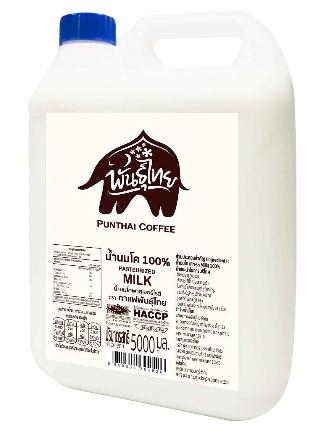
2) Support for Purchasing Pasteurized Cow’s Milk from Thai Dairy Cooperatives
The Company supports the procurement of raw milk from Thai farmers through partnerships with Thai dairy cooperatives, using it as a key ingredient in beverages served at Punthai Coffee. This initiative helps ensure stable income for farmers while addressing the issue of milk oversupply, which previously led to surplus milk being discarded without generating value. Farmers carefully select suitable dairy cattle breeds, provide standardized feed, and follow strict quality-controlled production and processing procedures to maintain product quality, safety, and nutritional value before distribution to Punthai Coffee stores. This initiative not only allows consumers to enjoy beverages made from high-quality ingredients but also strengthens farmers and local communities, promotes a domestic circular economy, and reflects sustainable shared value creation throughout the value chain.
3) Tiger-Striped Peanuts
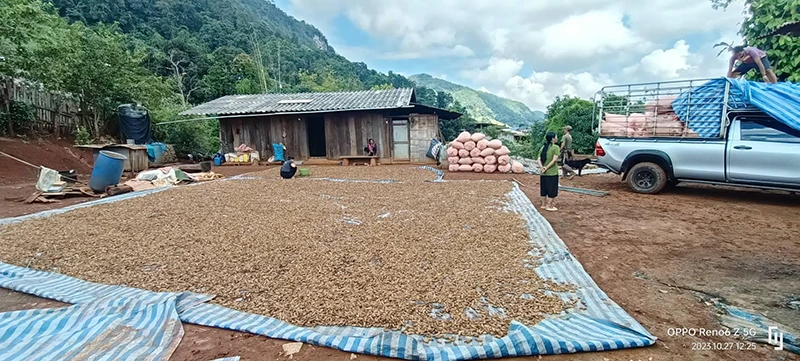
The Company supports local entrepreneurs and farmers in Pang Mapha District, Mae Hong Son Province, by purchasing tiger-striped peanuts, a local crop that reflects the identity and way of life of the Lisu community. This initiative enhances the value of agricultural products grown in fertile highland areas, increases farmers’ income, and supports the conservation of indigenous crops and local wisdom alongside systematic quality development.
4) Solar-Dried Bananas
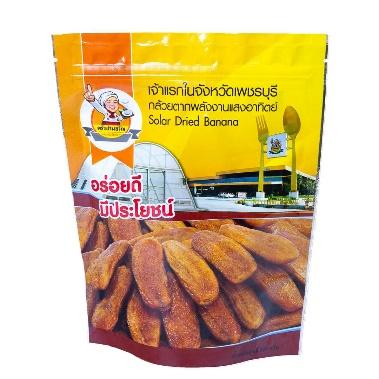
The Company supports entrepreneurs and farmers by sourcing solar-dried bananas made from Mali Ong and Namwa 08 banana varieties grown in the fertile areas of Phetchaburi Province. The processing utilizes Parabola Dome technology developed by Kasetsart University, harnessing solar energy and a solar cell–powered humidity control system to precisely manage moisture levels. By carefully controlling the drying duration, this process enhances the value of agricultural produce while promoting clean energy use and environmentally friendly production.
5) Macadamia Nuts
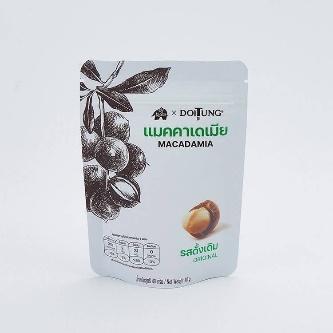
The Company supports roasted macadamia nuts from the Doi Tung Development Project (under the Royal Initiative) in Mae Fah Luang District, Chiang Rai Province. The nuts undergo meticulous selection, roasting, and packaging processes to preserve their taste and quality. Macadamia is part of the “economic forest” products under the Doi Tung Development Project, which promotes sustainable coexistence with forests. Beyond generating income for local communities, the initiative provides villagers with opportunities to develop specialized skills in cultivating high-value economic crops. The project also emphasizes sustainability by repurposing macadamia shells as biofuel energy.
Supporting and Procuring Agricultural Produce
The Company collaborates with the Department of Internal Trade, Ministry of Commerce, to support farmers affected by economic conditions. It serves as a distribution channel by purchasing and helping distribute agricultural produce to consumers through the Company’s nationwide network of service stations. This initiative expands market access for agricultural products, generates income for farmers, and reflects the Company’s role in supporting sustainable community and economic development in Thailand.
In the past year, the Company carried out several initiatives to support agricultural product distribution, including:
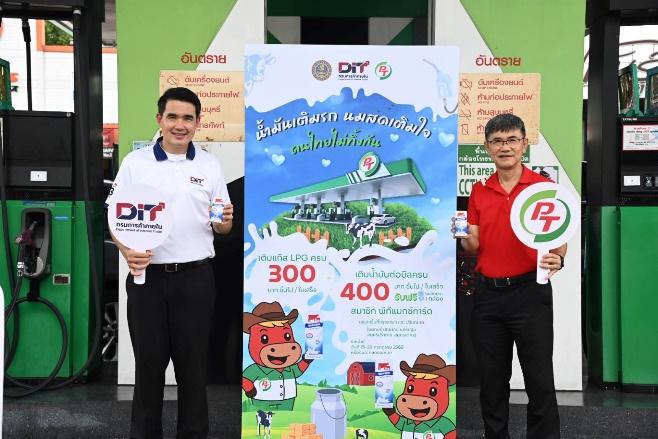
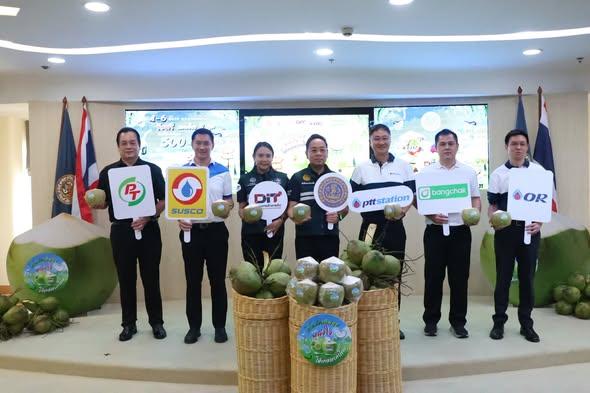
“Fuel Your Car, Fill Hearts with Fresh Milk – Thais Stand Together” Project
“Coconut Happiness – Delivering Encouragement to Thai Farmers” Project
Supporting Thai Farmers through the Service Station Network
Grievance Mechanism for Individuals and Communities Affected by Social and Environmental Business Activities
The Company has established mechanisms to receive feedback and complaints from individuals and communities that may be affected by its social and environmental business operations. Accessible communication channels are provided, including telephone, email, online platforms, and community surveys to gather concerns related to issues such as pollution, traffic, waste management, resource utilization, and safety. Communities are also encouraged to propose additional measures the Company should undertake. Feedback received is incorporated into operational improvements and the planning of appropriate community engagement activities. Assessment results indicate that the majority of communities reported no significant impacts from the Company’s operations.
Corporate Social Responsibility Projects
The Company implements social initiatives to support community development and enhance the quality of life of diverse stakeholder groups. These initiatives are carried out through corporate social responsibility (CSR) programs aimed at community development and strengthening the Company’s long-term corporate reputation, as well as social investment projects that generate business value.
The Group focuses on creating shared value across economic, social, and environmental dimensions, while also encouraging employees to actively participate in these initiatives. The key highlights of the Company’s social initiatives in 2025 are summarized as follows:
Beneficiary Stakeholders
Beneficiary Stakeholders
“PT Volunteer Camp” Project
In 2025, the Company implemented four projects in the following communities: Huai Sat Yai Subdistrict, Hua Hin District, Prachuap Khiri Khan Province; Sa Si Mum Subdistrict, Kamphaeng Saen District, Nakhon Pathom Province; Nong Krot Subdistrict, Mueang District, Nakhon Sawan Province; and Nong Sadao Subdistrict, Sam Chuk District, Suphan Buri Province. A total of 2,752 participants took part in the following key activities:
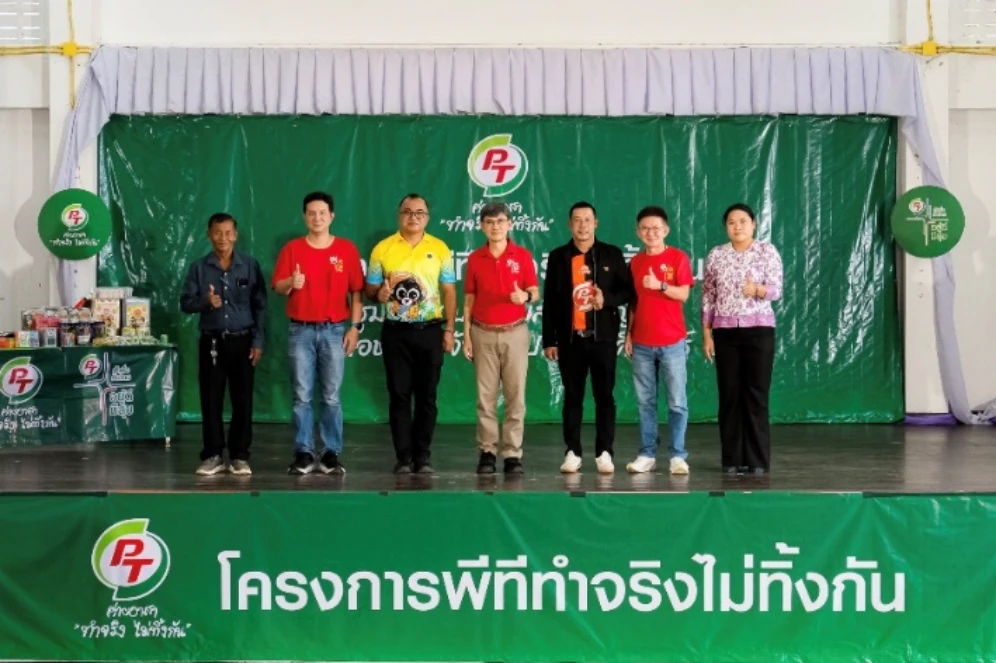
Planted 1,700 trees
Total scholarship value of 404,000 baht
10,500 fish released
MUSIC CONCERT
Provided 120 safety helmets
Sustainable Rice Project: Reducing Methane through Alternate Wetting and Drying
The Company, in collaboration with Wave BCG Company Limited (WAVE BCG), has implemented the Sustainable Rice Project: Reducing Methane through Alternate Wetting and Drying (AWD) to enhance quality of life and strengthen occupational stability through knowledge transfer and capacity building in environmentally friendly production practices. The project aims to help farmers reduce production costs, including water, fertilizer, and energy use, while improving productivity and yield per rai. The Company places strong emphasis on community engagement through hands-on workshops, continuous advisory support, the use of monitoring technology, and preparation for carbon credit certification under the T-VER standard, as well as forums to gather feedback from farmers and stakeholders. In addition, the Company connects the project’s rice output to social contributions by supporting school lunch programs in the area, enhancing youth nutrition and fostering pride among local farmers, alongside ongoing social initiatives under the “PT Volunteer Camp” program. This reflects the Company’s commitment to growing sustainably alongside farmers and communities.
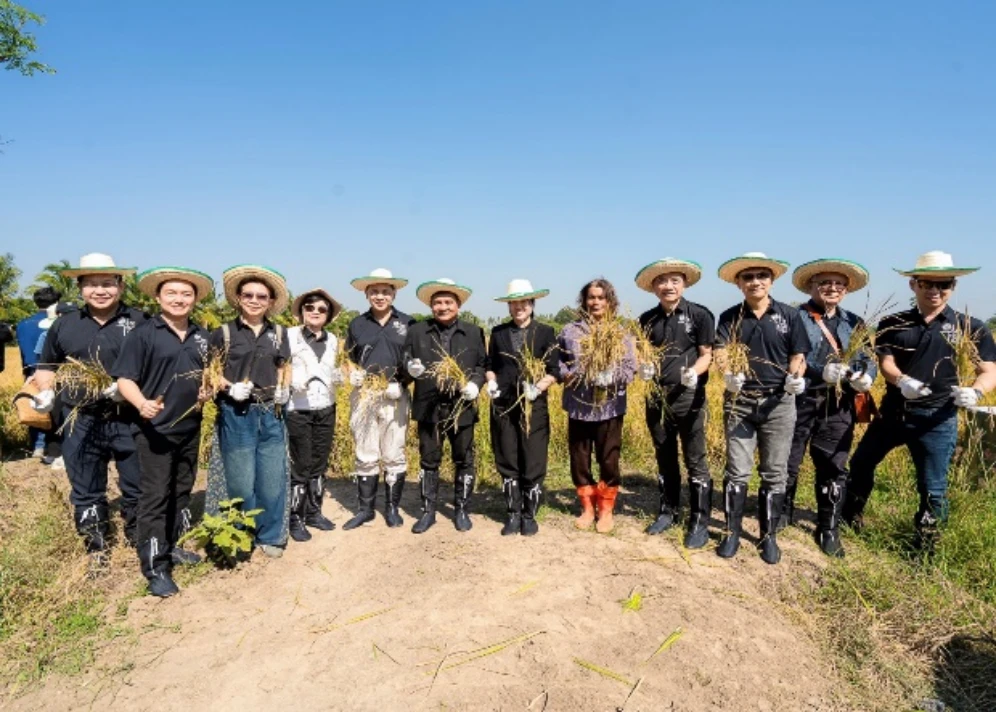
in Suphan Buri Province
PT Prachuap FC and Football Academy Support Project
The Company supports PT Prachuap FC as an important mechanism for creating shared value with communities and as an accessible football learning platform for people of all ages, using sport to inspire youth and foster local pride and lasting bonds between the club, communities, and young people in the area. In addition, the Company and PT Prachuap FC have continuously developed the Football Academy program for six years as a platform for developing the potential of youth aged 12–18. The program focuses on developing sporting skills alongside instilling discipline, responsibility, teamwork, and essential life skills for long-term growth. Throughout its operation, the Academy has advanced talented youth into professional football careers at both club and national levels, including representatives of the Thai national team for the 2025 SEA Games and the senior national squad, reflecting the Company’s role in using the football club as a base for creating opportunities, developing human capital, and supporting youth development in a systematic and sustainable manner.
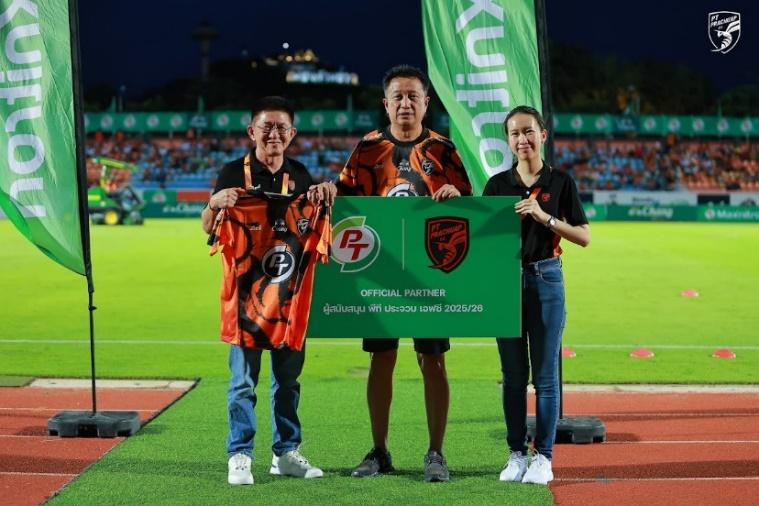
participated in the project
Sustainable Arabica Coffee and Economic Crop Development Project
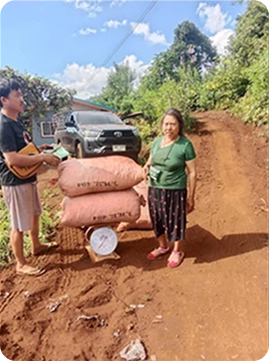
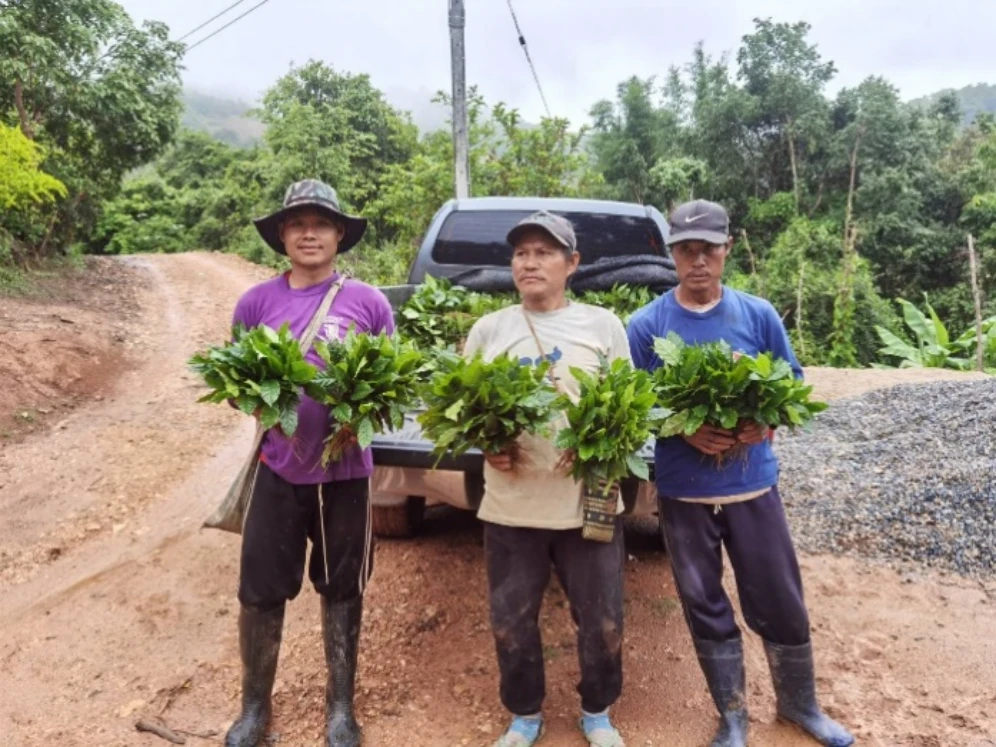
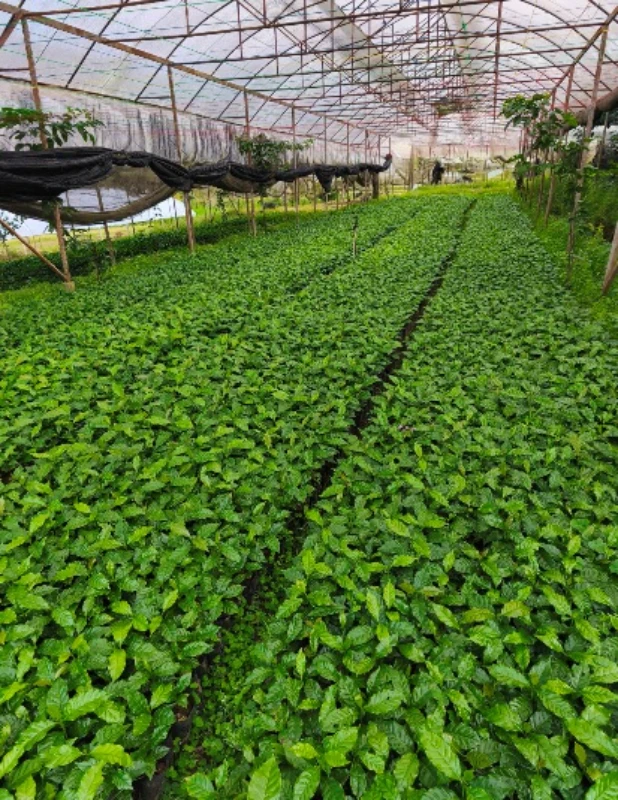
The Company has continuously implemented the Sustainable Arabica Coffee and Economic Crop Development Project to rehabilitate degraded mountainous areas into income-generating agricultural land. The initiative focuses on knowledge transfer, farm management support, and market access enhancement to create long-term economic opportunities for farmers.
In 2025, the Company promoted Arabica coffee cultivation by distributing coffee seedlings to farmers. This initiative strengthens upstream-to-downstream integration, enhances raw material security for the business, and supports sustainable income generation while incentivizing farmers to continuously maintain and improve their cultivation areas in preparation for the project’s expansion in the next phase.
households
1,092 rai
rate of 85%
of coffee purchased
prepared for 2026,
covering an area of 8,946 rai
Vocational Student Internship Program
The Company implements a vocational student internship program under Siam Autobacs Company Limited to promote professional skill development and create career opportunities for youth. Currently, 35 vocational colleges from all regions of Thailand participate in the program.
In 2025, the Company accepted students for internships, particularly in the automotive technician field. Students gained hands-on work experience under the supervision of experienced staff, enhancing their technical skills, work discipline, and teamwork capabilities, helping them earn income during their studies and reduce their families’ financial burden, while preparing them to enter the labor market with strong practical skills. Some participants have subsequently applied for and secured full-time positions with the Company after completing their internships, reflecting the Company’s commitment to human capital development alongside responsible business operations and sustainable employment creation.
participated in internship programs
colleges
11,394,085 baht
Dual Vocational Education Employment Program
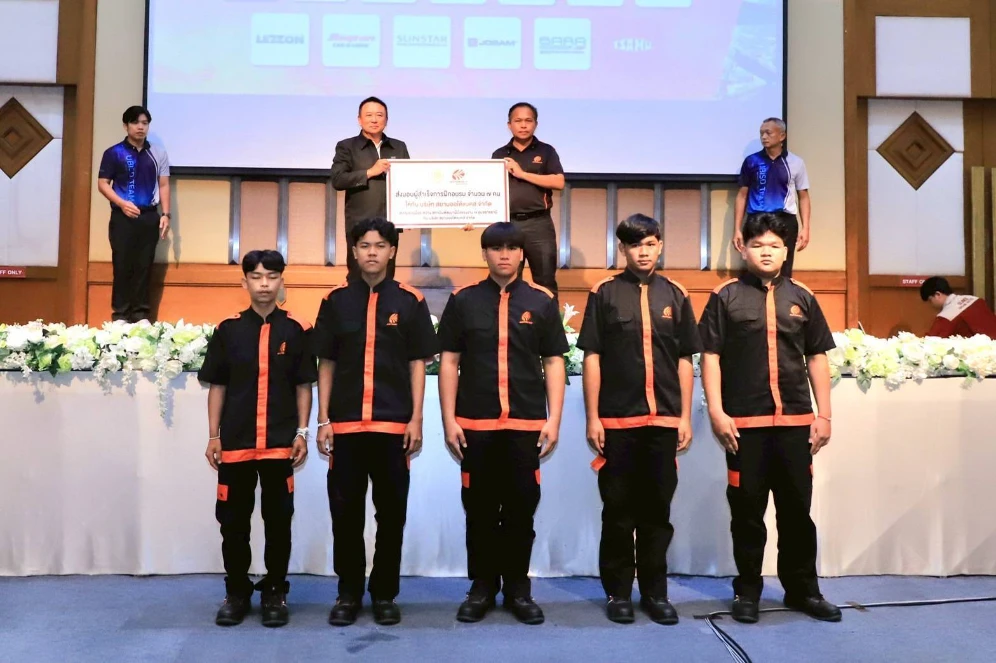
In 2025, companies within the PTG Group supported the employment of dual vocational students for in-company professional training, providing youth with opportunities to gain hands-on work experience alongside their academic studies and preparing them to enter the labor market with quality skills, covering several of the Company’s business units. The program helps reduce financial burdens on students and their families, while enhancing professional skills, real-world work experience, and opportunities for continued employment, reflecting the Company’s role in youth and human capital development alongside responsible business operations.
participated in vocational training
234 students
10 students
4 students
13 students
300,000 baht